The Precarious Reality of Food Stamp Dependence
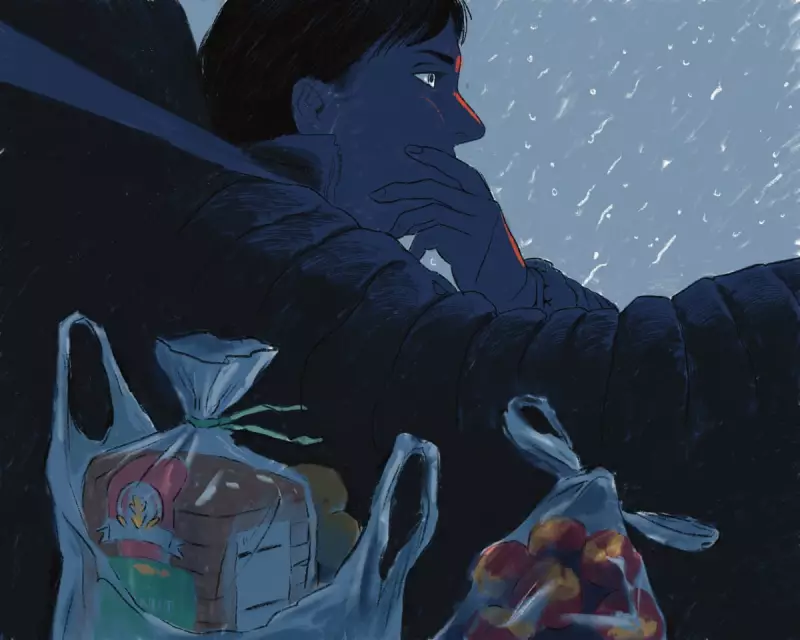
On November 10th, my refrigerator stands nearly empty. As I write these words, hunger gnaws at me – not because I have absolutely no food, but because the options available don't constitute a proper meal. The choice between canned tuna for breakfast or spending precious time cooking winter squash from a neighbour exemplifies the daily calculations millions of Americans face.
I'm one of 41 million people across the United States who depend on the Supplemental Nutrition Assistance Program (SNAP) to survive. For weeks, our very existence has become a political bargaining chip in Washington's power games. Will we eat this month? Will our benefits continue? These questions haunt households nationwide.
Life in Rural Oregon: Where Poverty Runs Deep
Here in Mapleton, Oregon, population just 527 residents, the struggle manifests differently than in urban centres. Our small community boasts one white-spired church, a single general store, a diner, a bar, and a food bank where queues form two hours before doors open.

While approximately one in six Oregonians rely on SNAP benefits statewide, the situation proves more severe in rural areas like ours. Mapleton's poverty rate reaches 22% – double the state average. The statistics become even more alarming for younger families: 44% of children in our school district live below the poverty line.
I don't write from self-pity. Without children and with generously low rent thanks to friends, I recognise my version of poverty – surviving on canned tuna and raisins – differs from starvation. Still, the psychological toll of food insecurity remains constant: the endless mental calculations, ingredient substitutions, and creative approaches to stretching limited resources.
The Human Cost of Political Gamesmanship
My cousin's daughter Alissa, 24, exemplifies the working poor caught in this crisis. She pays $1,000 monthly for what she describes as a "roach-infested" apartment in a nearby town where employment opportunities slightly improve. Her partner abandoned fishing for a fishing supply store job to spend more time with their family.
Alissa previously worked full-time as a barista, but her $13.50 hourly wage became meaningless when daycare costs consumed it entirely. Now she hustles in the gig economy while relying on SNAP for food. "I'm really worried," she told me recently. "Not just about my family but the whole town. There's not a lot of food banks to begin with and their funding was already cut earlier in the year."
Their survival strategies include hunting during the open season and foraging for wild foods – practices that might sound romantic but stem from desperation. Meanwhile, she breaks Instacart rules by bringing her daughter on delivery jobs because childcare remains unaffordable.
The shame associated with food assistance initially prevented me from visiting food banks, fearing I might encounter someone familiar. I've since realised the fallacy in that thinking: if I see someone at the food bank, we share the same struggle – or they're there to help. My shame has transformed into solidarity and anger.
A System Failing Its Most Vulnerable
For decades, I supported myself without government assistance, despite my taxes funding these safety nets. Recently, everything has grown more difficult. Artificial intelligence eliminated most of my contract work, while intense competition prevents raising my rates. I earn the same hourly wage as five years ago, but it possesses half the purchasing power.
When I finally qualified for SNAP benefits last autumn, the $250 monthly allocation proved insufficient. Then my benefits were reduced – first because I found meagre part-time work, then again for unexplained reasons – while grocery prices soared dramatically.

I'm angry that hard work no longer guarantees a living wage in a job I excel at. I'm angry that I've written about food insecurity for 15 years with little systemic improvement. I'm angry for furloughed workers awaiting paychecks, my friend Kevin denied back surgery by insurance after a workplace injury, and my friend Mel who lost SNAP and healthcare assistance after a minuscule raise at her hotel job.
Every month, the lines lengthen at our food bank while wealthy individuals scheme to avoid taxes and blame beneficiaries for problems their policies created. Now some Democrats appear willing to compromise with Republicans for political gain – potentially at the expense of essential healthcare subsidies for working-class and middle-income families.
As Alissa perfectly summarised: "The amount of propaganda and gaslighting the government has been doing is sickening. Any amount of either is a sign of a failed system in my book. It's never me versus you, Democrat versus Republican, or Maga versus lib. It's the people versus exploitation."
This report from rural America reveals stress, frustration and disgust reaching unprecedented levels. Conspiracy theories circulate suggesting either the government wants to provoke rebellion to invoke the Insurrection Act, or they aim to break us so completely that we lack energy to defend our rights or support each other.
The reality remains stark: It's hard to speak up when your teeth hurt. It's hard to stand up when you're hungry. It's hard to show up when you can't afford petrol.