The ongoing US federal government shutdown has triggered a severe hunger crisis, leaving millions of vulnerable Americans without essential food assistance and overwhelming community food banks across the country.
Desperate Scenes at Food Distribution Sites
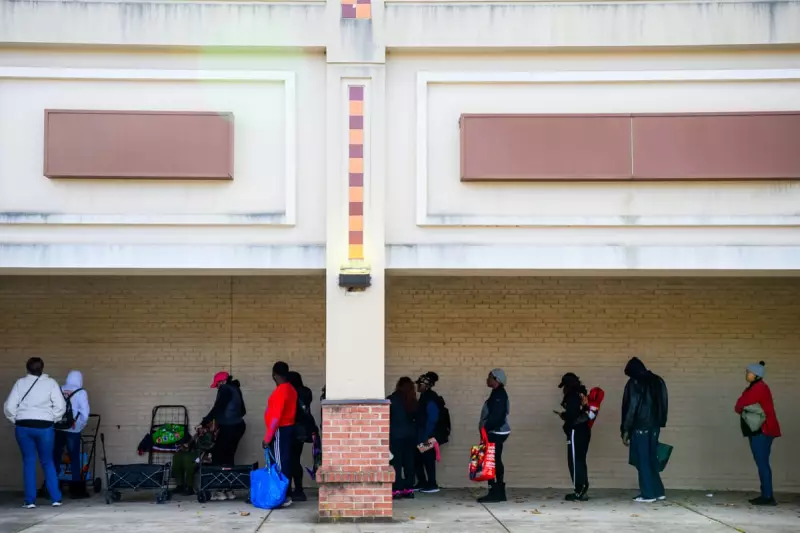
Government workers returning to their offices after benefits lapsed encountered heartbreaking scenes of elderly and disabled individuals queuing for answers. Many had attempted to purchase groceries only to discover their usual Supplemental Nutrition Assistance Program (SNAP) payments had been unexpectedly paused.
Stacy Smith, president of AFSCME Local 2882 and an eligibility technician in Providence, Rhode Island, described the desperation: "I had a client that came in and said they were afraid they were going to have to start eating cat food again, because without SNAP benefits, that's all they can afford."

Unprecedented Benefit Suspension
For the first time in the program's history, nearly 42 million Americans who rely on SNAP face uncertainty about their next meal. The Trump administration announced it would not pay benefits due to the shutdown, effectively crushing the nation's largest anti-hunger program.
Following two court rulings, the administration said it would only provide partial funding, with payments lapsing on 1st November. The legal battle continues, with the Supreme Court recently issuing an emergency order blocking full SNAP food aid payments after the administration appealed against a lower court's ruling.
Food Banks Overwhelmed by Demand
Across the United States, food banks and pantries report being "maxed out" as they scramble to cope with surging demand. Misha Dancing Waters, an economic support specialist in Dane County, Wisconsin, explained: "We're giving out a lot of resources, and they're really just hitting all of those food pantries. Places where there's anything to help are getting hit so hard."
The situation becomes particularly dire with holidays approaching and schools due to close, meaning children will lose access to breakfast and lunch meals normally provided during term time.
Political Battles Leave Vulnerable at Risk
Workers administering the program describe the benefit suspension as "really punitive" and accuse politicians of "using our country's poorest and most vulnerable as pawns in a political game."
A former USDA food and nutrition service employee, speaking anonymously for fear of retaliation, noted the unprecedented nature of the situation: "There's a real commitment by the states to get these benefits out there. This is a lifeline for the 42 million people that get the program."
As the shutdown continues with no resolution in sight, Waters expressed grave concerns: "I think the next month we're going to see things get drastically more dire if we don't get this shutdown turned around. People need those basic things just to survive."