
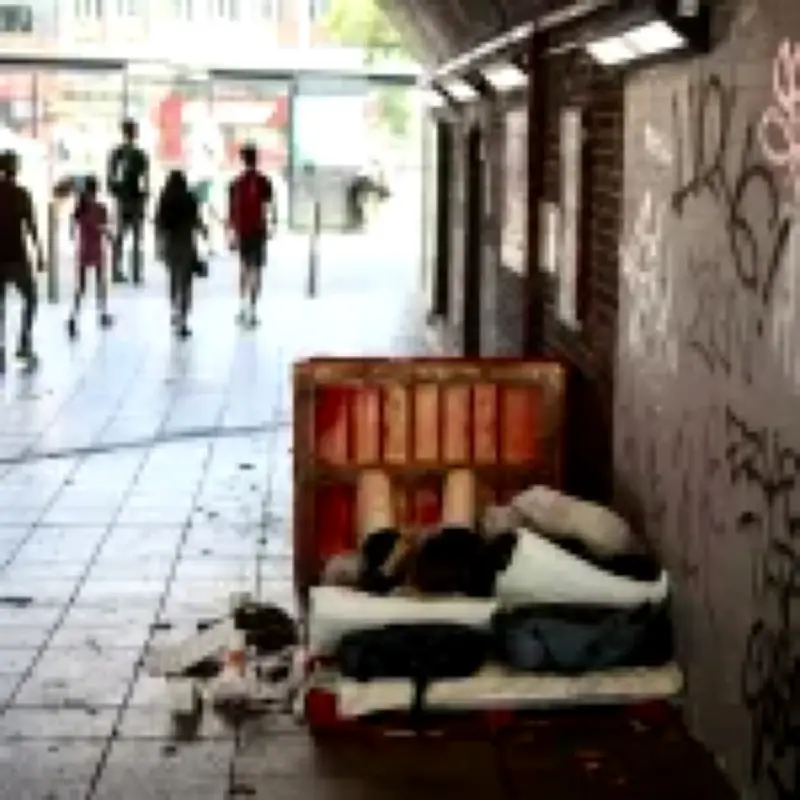
Prime Minister Andy Burnham, a month after vowing to end rough sleeping in the UK, has set a first major target: ensuring no one sleeps rough in England this Christmas. The pledge, made outside 10 Downing Street, faces significant hurdles, as the Chain database shows around 782 people slept rough in Westminster alone on the night of that announcement. London's street population hovers near 4,000, with Westminster consistently recording the highest levels of rough sleeping in the nation.
The Christmas Target and Its Feasibility
Burnham and Housing Secretary Angela Rayner have launched a drive to bring rough sleeping numbers to zero by Christmas 2026. Emma Haddad, chief executive of homelessness charity St Mungo's, told Metro: 'The ambition is absolutely right. Can it be done? I'd like to say yes. We've seen it done before, particularly during the pandemic, where we made a huge difference in bringing people in. Will we have brought in every person sleeping rough by Christmas? I don't know.'
One major challenge is that rough sleepers may decline offers of accommodation for complex reasons. Haddad emphasized that the 'key' will be 'to have made an offer to everybody, so that there are choices and options for people.' The vast majority prefer warm, dry shelter, but availability remains uncertain.
Learning from the Pandemic's Everybody In Scheme
Both Burnham and Haddad invoked the Everybody In scheme from the early Covid-19 pandemic in 2020, which successfully moved people off the streets during the health emergency. However, that effort relied on unique circumstances: hotels sat empty due to lockdown restrictions, providing self-contained rooms. Haddad believes enough 'emergency space' can still be found. She said: 'There will be some homes that can be brought on stream quickly. There will be communal spaces. There will be empty flats. You know, there will be a mixture of places.' Housing associations and local authorities often have empty homes that, 'with a bit of capital investment to renovate,' can be brought to a decent standard, while night shelters could be opened beyond winter.
But the Covid scheme was an emergency measure, not a permanent solution. Burnham acknowledged in the Guardian: 'I don't pretend this is a permanent fix – far from it. It's not enough just to help people when they fall on hard times. It's our job to catch people long before they hit the pavement, and that means dealing with the multitude of reasons why someone might be sleeping rough in the first place.'
Three Pillars for Long-Term Solutions
Haddad suggested Burnham focus on 'three pillars' to achieve lasting change. First is emergency measures like the Christmas drive. Second is early intervention, spotting warning signs when someone is on their way to homelessness and improving care as they leave facilities such as prison or asylum accommodation. Third is addressing the root drivers: unaffordable homes, housing benefit that doesn't cover rent, and support for mental health and substance misuse. 'You address all of those three,' Haddad said, 'then you've got people off the streets. You've prevented more people coming onto the streets or in homelessness, and you've switched off the tap that causes that in the first place.'
While the Christmas target is ambitious, experts and officials agree it will not end rough sleeping permanently. The initiative represents a first step toward the broader goal Burnham set a month ago, with the success hinging on emergency capacity, individual choice, and systemic reforms.




