The Australian government has announced a landmark policy that will fundamentally reshape how young people access the digital world. It plans to introduce a ban on social media use for children under the age of 16. This sweeping measure, aimed at protecting minors from online harms, is set to be one of the most restrictive of its kind globally.
Key Details and Implementation Timeline
The proposal is currently in the consultation phase, with the government seeking feedback on the precise mechanics of the ban. A final decision on the model is expected in the coming months. The policy is not expected to be implemented immediately; the government has indicated a potential rollout window starting in late 2025 or 2026.
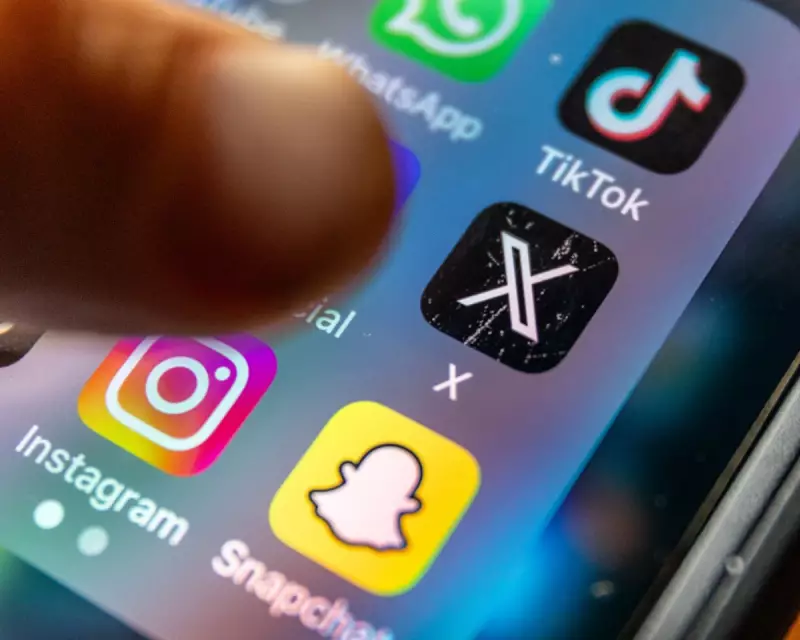
The ban is designed to be comprehensive. It is anticipated to cover all major social media and messaging platforms where minors could be exposed to harmful content or interactions. This includes, but is not limited to, apps like TikTok, Instagram, Snapchat, and Facebook. The exact list of included platforms will be formalised following the consultation period.

How Will the Social Media Ban Work?
The central challenge for the Australian government is enforcing such a ban effectively. The proposed solution hinges on a system of age verification and assurance. The government is exploring several technological methods to prevent under-16s from creating accounts or accessing these platforms.
One leading model involves a "digital token" system. In this scenario, a trusted third-party provider would verify a user's age, potentially through government-issued documents. Once verified, the user would receive a secure digital token that social media platforms could check to confirm they are over the minimum age. This approach aims to shift the burden of proof away from individual platforms and create a more robust, centralised system.
An alternative, less complex method could involve social media companies themselves implementing stricter age-gating measures, though this has historically been easier for minors to circumvent.
Reactions and Potential Consequences
The announcement has sparked intense debate. Proponents, including many child safety advocates and some parents, argue that the risks of unregulated social media use—such as cyberbullying, exposure to inappropriate content, and negative impacts on mental health—justify such a strong intervention. They see it as a necessary step to safeguard childhood.
Critics, however, raise significant concerns. Digital rights groups and some experts question the feasibility of the plan, warning that determined teenagers may find ways to bypass restrictions using VPNs or fake IDs. There are also worries about privacy implications related to collecting and storing minors' identification data for age verification.
Furthermore, opponents argue that a blanket ban may stifle positive aspects of online life for young people, such as connecting with peers, accessing educational content, and developing digital literacy skills. They suggest that a focus on education and parental guidance, rather than outright prohibition, might be a more effective long-term strategy.
The policy places Australia at the forefront of a global conversation about regulating children's online activity. Its implementation and effectiveness will be closely watched by other nations grappling with similar challenges. The success or failure of this ambitious ban could set a powerful precedent for internet governance and child protection worldwide.