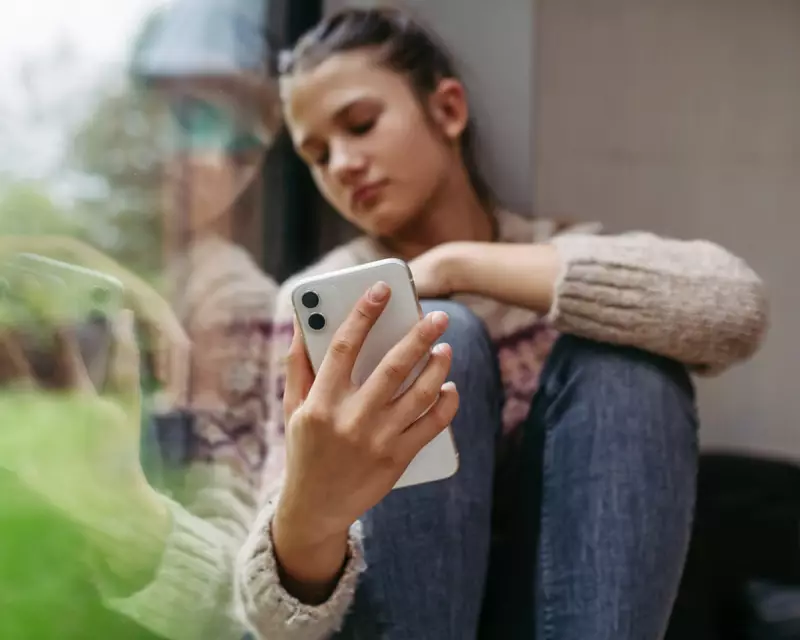
On 10 December, Australia made a landmark move, becoming the first nation in the world to enact a social media ban for children under the age of 16. This bold regulatory step is being watched closely by governments globally, including the UK, as they wrestle with how to protect young people online.
The End of Self-Regulation?
For years, politicians, academics, and child safety advocates argued that tech companies could not be trusted to police themselves. The core business model of platforms owned by figures like Mark Zuckerberg and Elon Musk relies on maximising screen time, often at the expense of user wellbeing. Their frequent resistance, framed as a defence of free speech against censorship, left governments with a stark choice: wait indefinitely or intervene.
Australia chose intervention. The ban, and similar regulatory pushes worldwide, is now dragging tech companies kicking and screaming toward change. It has taken the force of law to mandate basic safeguards like robust age verification, specially designed teen accounts, and appropriate account deactivation—measures the moral argument alone failed to secure.

A Global Patchwork of Responses
While nations like Malaysia, Denmark, and Brazil consider similar prohibitions, the UK has taken a different path—for now. British policy aims to see if platforms can be made inherently safer before resorting to an outright ban. The feasibility of this approach remains a major question.
Features like the infinite scroll and variable reward systems, which psychologists compare to gambling mechanics, are central to the debate. These design elements are so concerning that the US state of California plans to limit teenagers to one hour of "addictive feeds" daily unless parents consent to more. The UK currently imposes no such time restrictions.
Unintended Consequences and Vital Voices
The Australian rollout has already highlighted complex challenges. Powerful testimonies emerged, including from 15-year-old quadriplegic Ezra Sholl, who explained how the ban could deepen his social isolation. This underscores a critical lesson for other countries: teenagers must be involved in the discussion, and regulations must account for differing impacts on children.
Campaigners warn that the danger of isolation should not stifle necessary action. Young people's anger is understandable; social media's rapid integration into their lives makes removal feel like a violation. The core failure, however, was allowing these platforms' voracious growth to outpace protective regulation in the first place.
Critics predict the ban will simply push young users towards unregulated spaces or teach them to circumvent the law. A spike in VPN usage following Britain's own Online Safety Act suggests this argument has merit. Yet, as with policies on smoking or drink-driving, initial resistance often precedes long-term behavioural change.
A Warning to Tech Giants and a Lesson for the World
Australia's action serves as a circuit breaker for a system heading for crisis and a clear warning to tech companies: national patience with inaction is wearing thin. In the UK and elsewhere, online safety advocates are monitoring how platforms respond to regulations that stop short of a ban.
With many children now spending as much time on their phones as in the classroom, the pressure for tangible progress is immense. Australia's experiment will provide a crucial case study, adding to research on the link between social media and mental health. Its ultimate lesson may be that when corporate goodwill falls short, the law must step in.