The Australian government is charging ahead with its controversial plan to ban social media access for children under 16, despite growing concerns from experts about whether the sweeping measure will actually work as intended.
The Government's Bold Gambit
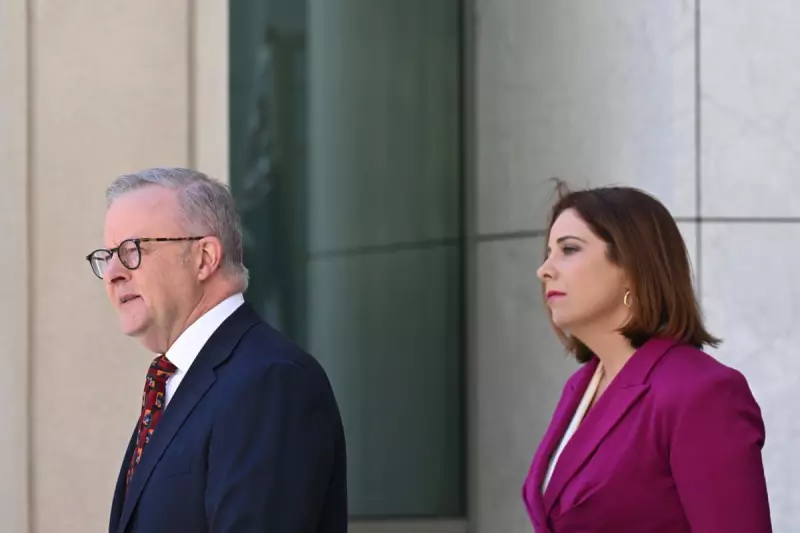
Prime Minister Anthony Albanese's Labor government has firmly brushed aside mounting criticism of its proposed social media ban, positioning it as a necessary step to protect young Australians from online harms. The policy, announced in late 2024, represents one of the most aggressive digital safety measures attempted by any Western democracy.
The government aims to implement the ban through a combination of legislative power and cooperation with tech platforms, though specific technical details about enforcement remain somewhat vague. Ministers have expressed confidence that age verification technologies can effectively prevent under-16s from accessing major platforms like TikTok, Instagram, and Facebook.

Mounting Expert Skepticism
Digital safety experts and technology researchers are increasingly vocal about their doubts. Many question whether the proposed age verification systems can be both effective and privacy-preserving, noting that determined teenagers often find ways around digital barriers.
Critics point to several potential unintended consequences, including driving young users to less regulated platforms, creating false security for parents, and potentially exposing children to more sophisticated identity verification systems that collect sensitive personal data.
"The road to digital safety hell is paved with good intentions," remarked one cybersecurity expert who preferred to remain anonymous. "We've seen similar measures fail elsewhere because they underestimate both technological workarounds and teenage ingenuity."
Political Stakes and Public Reaction
The social media ban has become a defining policy for the Labor government, with Communications Minister Michelle Rowland defending it as a "proportionate response to an urgent problem." The government faces pressure to demonstrate action on youth mental health and online safety ahead of upcoming elections.
However, parent groups are divided between those welcoming stronger protections and those concerned about government overreach into family decisions. Some argue that digital literacy education and parental supervision would be more effective than outright bans.
Opposition parties have seized on the technical uncertainties, questioning whether the government has adequately researched implementation challenges or considered less restrictive alternatives.
International Precedents and Lessons
Australia isn't the first country to attempt age-based social media restrictions, but its proposed ban is among the most comprehensive. Other nations have experimented with similar measures with mixed results.
France and several US states have implemented varying forms of age verification with limited success, often encountering legal challenges and practical enforcement difficulties. The Australian government claims it has learned from these international examples, but critics argue the same fundamental problems remain unsolved.
Technology companies have been notably cautious in their responses, generally expressing support for child safety while raising questions about implementation feasibility and potential impacts on legitimate users.
What Happens If It Fails?
The biggest concern among policy analysts is what happens if the ban proves ineffective. A failed implementation could undermine public trust in digital safety initiatives for years to come, potentially making it harder to implement more nuanced measures in the future.
There are also worries about creating a false sense of security among parents who might assume the government's measures provide comprehensive protection, potentially leading to reduced vigilance at home.
Digital rights advocates argue that resources might be better spent on education programs that teach critical thinking and safe online behaviour—skills that protect children across all platforms, not just those covered by the ban.

As the implementation timeline approaches, the government faces increasing pressure to demonstrate that its bold social media experiment won't become another well-intentioned policy failure. The stakes are high, both for young Australians' safety and for the future of digital regulation worldwide.