Scotland's Feudal Land Ownership Faces Incomplete Reform
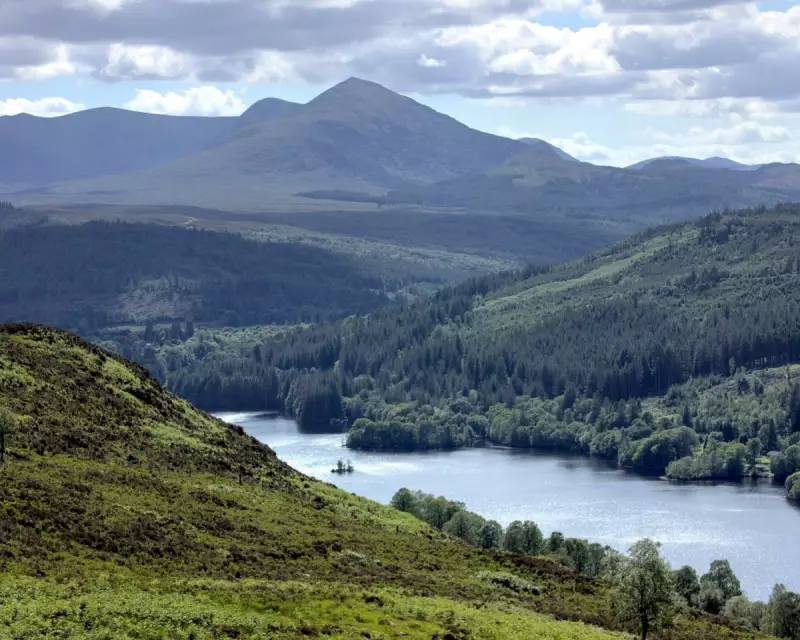
A new land reform bill has passed through the Scottish Parliament, but critics argue it fails to adequately challenge the nation's profoundly unequal distribution of land. Half of all privately owned rural land in Scotland is held by just 421 people or entities, a concentration of ownership unmatched anywhere else in Europe.
The roots of this disparity are historical, stemming from the 18th and 19th-century Highland Clearances that depopulated glens for private takeover. While inheritance and land taxes broke up great estates elsewhere in Europe and England, Scotland's landscape remains feudal in scale.
The Limits of the New Legislation
The centrepiece of the new bill is the 'transfer test', which mandates that Scottish ministers must be notified before any land sale exceeding 1,000 hectares. Proponents suggest this could allow the government to intervene and even require large estates to be broken up, giving community groups a chance to assemble rival bids.

However, the legislation stops short of granting ministers an explicit veto. It also rejected the more robust public interest test proposed in 2019 by the Scottish Land Commission, which would have forced large buyers to justify their purchases openly.
Land reform expert and former Green MSP, Andy Wightman, argues persuasively that the current pattern is a direct result of a free market in land that privileges the wealthiest. He contends that Scotland's land should be regulated as a shared resource for the public good.
Missed Opportunities and Powerful Interests
Further weaknesses in the bill have been highlighted. New 'lotting' rules, designed to diversify ownership by splitting large sales, are predicted to be rarely used. Even if they are, existing landowners with deep pockets could simply buy the individual lots back.
Think tank Common Weal, represented by Craig Dalzell, proposed a local land levy to make hoarding costly and fund community projects—a power similar to that used for Scotland's tourist tax. They point to Nordic nations, where smart taxes support smaller, more sustainable rural holdings.
The debate became a flashpoint during the 2014 independence campaign, raising fundamental questions about power and sovereignty. Yet, last month, the ruling Scottish National party voted down attempts by opposition MSPs to introduce a cap on the amount of land a single entity can own.
Fears of scaring off investment, particularly in forest land bought for carbon offsetting, and accusations of 'confiscatory nationalism' are seen as key reasons for the SNP's reluctance. By refusing caps, Holyrood has, in effect, preserved the status quo it claims to oppose.
The central question remains: How tightly Scotland retains old structures of land and power depends on whether its democracy has the courage to break the bond.