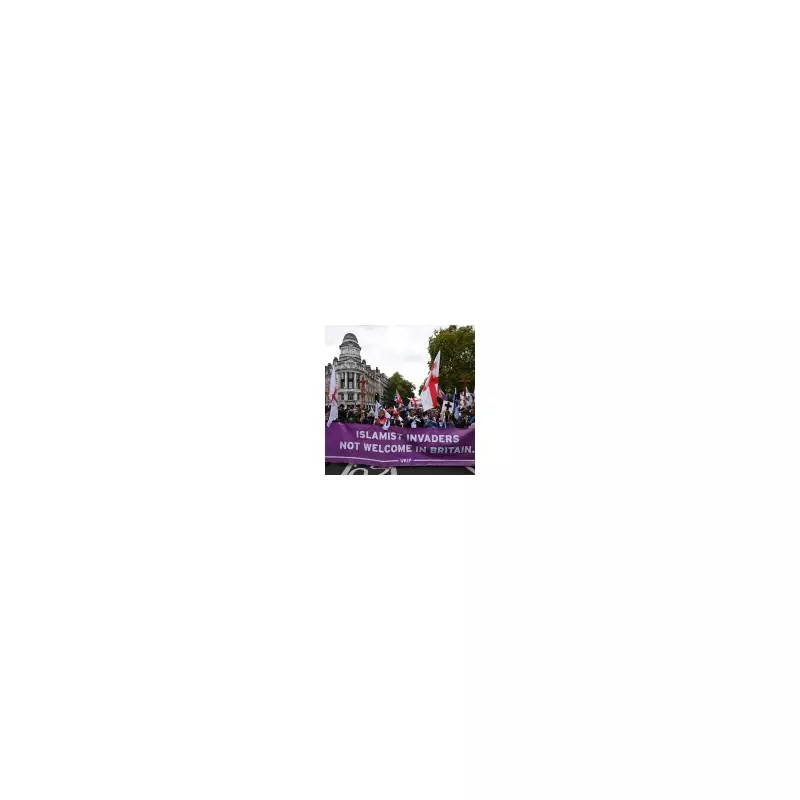
Metropolitan Police Ban UKIP Protest in Tower Hamlets Over Serious Disorder Concerns
The Metropolitan Police has imposed stringent conditions to prohibit a UKIP protest from meeting in Whitechapel, east London, citing substantial fears of serious disorder and potential violence. The ban specifically targets any gathering by UKIP members in the Tower Hamlets area, with authorities warning that participants face arrest under the Public Order Act if they defy the restrictions.
Risk Assessment Drives Decision to Prevent Gathering
Deputy Assistant Commissioner James Harman emphasised that the decision is not politically motivated but based on a thorough risk assessment. He stated, "We reasonably believe, based on the information available and on previous similar incidents, that the coming together of the UKIP protest with opposing groups who are hostile to its presence would be highly likely to lead to violence and serious disorder." The police clarified that the protest itself is not banned outright; it can proceed elsewhere in London, but the specific location in Tower Hamlets is deemed too risky.
Context of Tower Hamlets and Provocation Concerns
Officers highlighted that the presence of UKIP protesters in Tower Hamlets, where more than 50% of the population identified as Asian in the 2021 census, could lead to serious disruption or disorder. Harman explained, "We are not saying that the UKIP protest, in isolation, will be disorderly. But we do know that many will find it provocative and that provocation is likely to lead to an adverse local reaction." This assessment stems from concerns about clashes with opposing groups, which police believe would escalate into violence.
Legal Framework and Public Safety Priorities
The Metropolitan Police underscored their duty to prevent harm, with Harman adding, "It would be reckless to allow an event to go ahead when we understand there's a risk of serious violence to members of the community and to our officers." The force reiterated that the ban is solely grounded in public safety, not political bias or offence. This move reflects a proactive approach to maintaining order under the Public Order Act, which grants police powers to impose conditions on protests to prevent disorder.
Broader Implications for Protest Management in London
This incident raises questions about balancing free speech with public safety in diverse urban areas. The police's decision to restrict the protest location demonstrates their commitment to averting potential conflicts, especially in neighbourhoods with sensitive demographics. As London continues to host various demonstrations, such measures may become more common to mitigate risks of serious disorder and protect both residents and law enforcement personnel.