
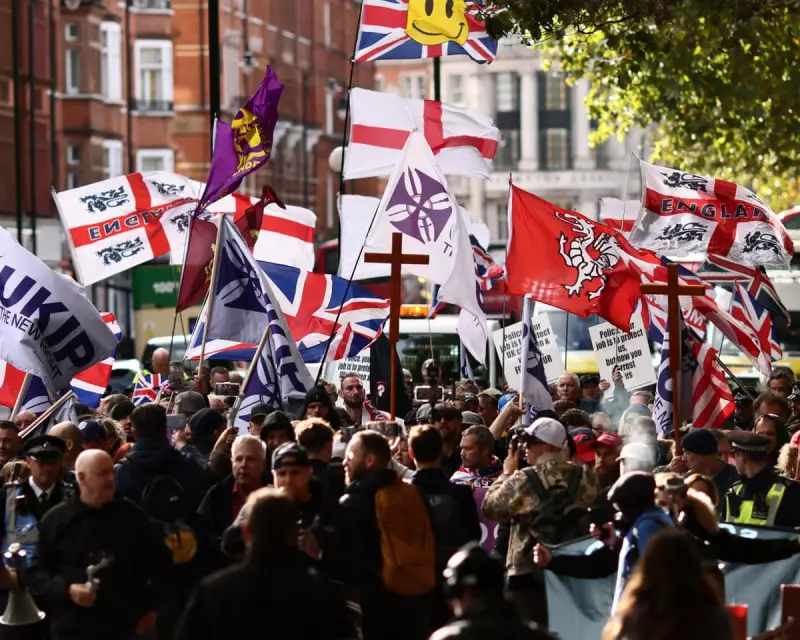
The Metropolitan Police has intervened to block a planned march by the far-right UK Independence Party (Ukip) through the east London borough of Tower Hamlets, citing significant fears of serious violence and disorder. The protest, scheduled for 31 January and calling for mass deportations, has been restricted from taking place in this specific area, though authorities emphasise it is not an outright ban, as the event could potentially proceed in another part of London.
Public Order Concerns and Community Safety
Deputy Assistant Commissioner James Harman, who leads the Met's public order operations, stated that the decision was based on a thorough assessment of risks under public order laws. He explained that allowing the march in Tower Hamlets would be reckless, given the potential for serious violence targeting both community members and police officers. Harman highlighted that the primary concern stems from the anticipated reaction of the local community, which has a high Bangladeshi population and a history of experiencing and resisting racist attacks, sometimes through violent means.
Factors Influencing the Police Decision
Harman outlined multiple factors considered in the assessment, including:
- The nature of the protest, which centres on anti-immigration and deportation calls.
- The specific location in Tower Hamlets, known for its diverse demographics and past tensions.
- Feedback from local communities expressing fears and concerns.
- Historical precedents of similar events leading to disorder.
- The conduct expected from both protest attendees and counter-protesters.
He stressed that the Met's role is to protect communities, and this intervention is solely about ensuring safety, not about suppressing free speech. Anyone ignoring the order and participating in the Ukip protest in the restricted area will face arrest, a measure previously applied to a similar planned parade in October last year.
Comparisons with Other Policing Decisions
The remarks follow recent controversies, such as the banning of Maccabi Tel Aviv fans from a football match in Birmingham in November over violence fears. While Harman declined to draw direct comparisons, he clarified that the Ukip situation differs because it involves imposing conditions rather than a complete ban, with the possibility of an alternative route. This distinction comes amid broader debates about policing protests, with the Met having spent £76 million over two years on managing 884 protests across various causes, from pro-Palestinian demonstrations to anti-regime rallies in Iran.
Historical Context and Broader Implications
Tower Hamlets has a long-standing history of such issues, including a 2011 ban by then Home Secretary Theresa May on an English Defence League march through the area due to violence concerns. The current decision reflects ongoing challenges in balancing protest rights with public safety in a city marked by complex social dynamics. As protests intensify in frequency and complexity, the Met continues to navigate these tensions, with Harman emphasising a clear-eyed approach focused on preventing harm rather than political considerations.




