
Trump's Controversial Pardon Reopens Honduras's Wounds
When former US president Donald Trump announced his decision to pardon Juan Orlando Hernández, the disgraced former Honduran leader convicted of drug trafficking, shockwaves reverberated through Central America's environmental activist communities. For defenders like Anna*, a Honduran campaigner who requested anonymity due to safety concerns, this presidential clemency represented more than political maneuvering—it signalled a dangerous regression in the fragile pursuit of justice.
A Narco-State Leader's Controversial Release
Juan Orlando Hernández, commonly known by his initials JOH, made history as only the second world leader ever convicted on drug trafficking charges in the United States. Following his 2022 extradition, American courts found him guilty of conspiring to smuggle over four hundred tonnes of cocaine into the country, sentencing him to forty-five years imprisonment for operating what prosecutors described as a narco-state. His presidency, marked by rightwing policies favouring extractive industries, saw the Honduran government invest nearly seventy-two million dollars expanding palm oil production, leading to severe deforestation and violence against local communities.
Environmental defenders had initially viewed Hernández's conviction as rare evidence that even the most powerful could face accountability. Trump's December decision to erase that conviction has instead reinforced what critics describe as Honduras's "crisis of impunity," leaving activists feeling more vulnerable than ever.
The Deadly Reality for Environmental Defenders
Honduras holds the tragic distinction of being among the world's most dangerous countries for environmental activists. Since 2012, Global Witness has documented at least one hundred fifty-five murders of land and environmental defenders in the nation, with over ninety percent of human rights violations going unpunished. Many cases never receive formal investigation, creating what investigator Toby Hill describes as "massive scale impunity" rooted in weakened judicial institutions and rampant corruption.
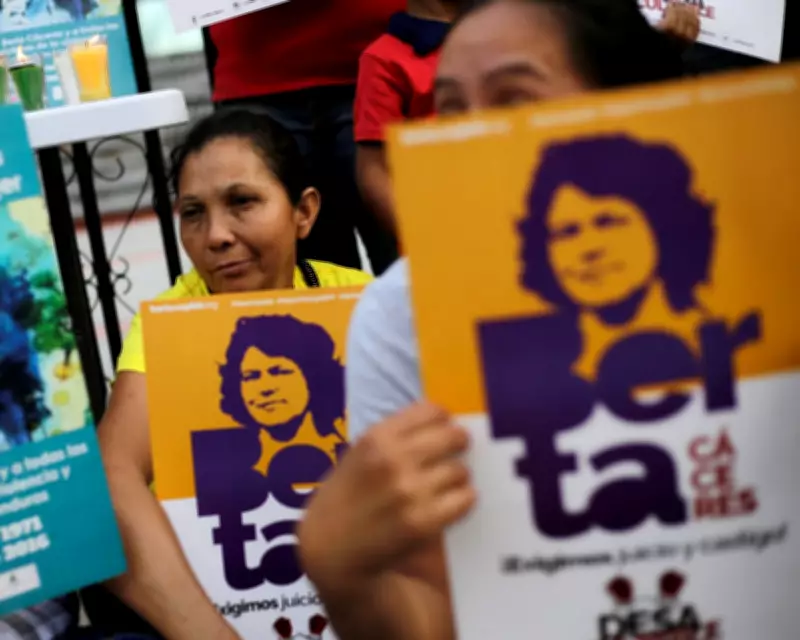
The 2016 assassination of Indigenous leader Berta Cáceres, murdered for opposing a hydroelectric project, exemplifies this pattern. While several perpetrators have been convicted, those who instigated and financed her killing remain beyond justice's reach. Daniel Atala Midence, investigated as being behind the crime and member of one of Honduras's wealthiest families, remains a fugitive after allegedly receiving advance warning of his impending arrest.
Selective Justice and State Capture
Delphine Carlens and Jimena Reyes of the International Federation for Human Rights argue Honduras suffers not merely from impunity but "selective justice" that protects perpetrators while exposing those challenging established power dynamics. Reyes identifies a pattern of "state capture" where influential families owning large economic shares manipulate justice systems to advance their interests.
Under Hernández's National Party government, this connection became particularly visible through promotion of extractive industries—mining, hydroelectric projects, and large-scale agribusiness—often in territories claimed by Indigenous and Afro-descendant communities. Resistance was frequently met with criminalisation, threats, or lethal violence, while researchers and journalists complained of systematic state intimidation.
Political Setbacks and Regional Implications
The political landscape offers little comfort to activists. Days after Hernández's pardon, National Party candidate Nasry Asfura won the presidential election by less than one percent, marking a setback following leftwing president Xiomara Castro's 2021 election as the country's first female leader. Castro had promised justice for defenders, establishing independent experts to investigate Cáceres's murder, but progress has stalled.
Reyes warns Trump's pardon may have regional implications, noting the former US administration's endorsement of authoritarian leaders who target defenders and undermine judicial independence. "When leaders who weaken judicial independence are rewarded internationally, it legitimises state capture," she observes, describing an "open embrace of authoritarian politics throughout Latin America."
Living with Fragile Justice
For activists on the ground, the consequences are immediate and terrifying. In February, environmental defender Juan Bautista and his son were ambushed, dismembered, and discarded in a canyon in Comayagua department—just two of many unresolved murders. Family members report knowing who operates illegal logging in their areas but fearing retaliation if they speak out.
Anna reports increased pressure on communities resisting large investment projects, with many feeling "the brakes are off again" following Trump's pardon. The message has been widely interpreted as a green light: if drug trafficking and corruption convictions can be wiped clean through political loyalty, what protection do vulnerable communities have?
As Camilo Bermúdez of the Council of Popular and Indigenous Organizations of Honduras notes, even in their strongest case—the Cáceres murder—justice remains incomplete despite evidence, convictions, and international attention. For Honduran environmental defenders living with constant threat, justice has always been fragile. Now, as Anna starkly concludes, it feels entirely optional.




