
Two Australian teenagers have mounted a landmark legal challenge against their government's pioneering law that will ban children under the age of 16 from accessing major social media platforms.
High Court Challenge Against World-First Law
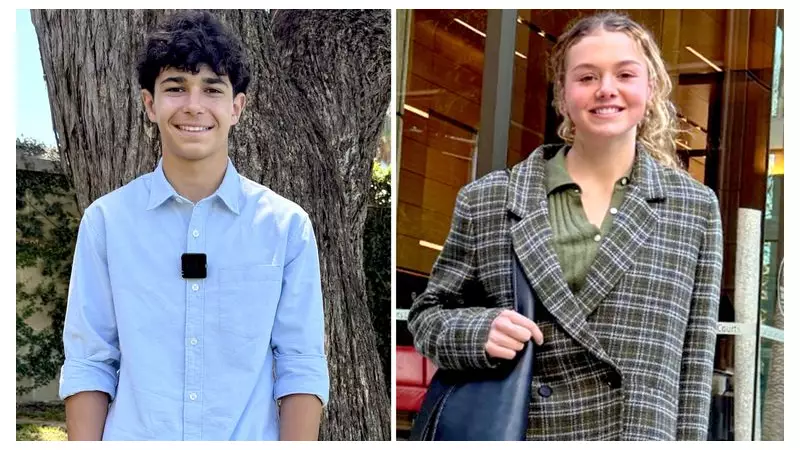
The case, organised by the campaign group The Digital Freedom Project, was filed in Australia's High Court just two weeks before the legislation is scheduled to take effect. The plaintiffs are two 15-year-olds, Noah Jones and Macy Neyland, who argue the law infringes upon their rights.
The ban, which is set to be enforced from 10 December 2025, will lead to the deactivation of more than one million accounts held by Australian teenagers. It targets popular platforms including TikTok, YouTube, Snapchat, Facebook, and Instagram.
The Core Argument: A Threat to Political Freedom
The legal challenge centres on the claim that the legislation "robs" young Australians of their freedom of political communication. This is an implied right within the Australian constitution, as the country lacks an explicit right to free speech. The Digital Freedom Project has labelled the law as "grossly excessive".
Plaintiff Macy Neyland voiced her strong opposition, stating the law would prevent young people from sharing their views online. "Young people like me are the voters of tomorrow... we shouldn't be silenced. It's like Orwell's book 1984, and that scares me," she said.
Government Stands Firm Against Legal Threats
In response to the legal action, Australia's Communications Minister, Anika Wells, declared that the centre-left government led by Prime Minister Anthony Albanese would not be deterred. She affirmed the government's position was firmly on the side of parents, not social media platforms.
The Australian government has defended the ban by citing research that shows social media over-use harms young teens, contributing to issues like misinformation, cyberbullying, and negative body image. Companies that fail to comply with the new rules could face staggering penalties of up to A$49.5m (£24.4m).
This groundbreaking Australian policy is being closely monitored by governments and technology firms worldwide as one of the most comprehensive efforts to regulate minors' access to social media.




