
Irish novelist Sally Rooney will publish her latest novel, Intermezzo, in Hebrew this month through November Books, an Israeli publisher compliant with the Boycott, Divestment and Sanctions (BDS) movement. This decision comes over four years after Rooney declined a translation offer from a different Israeli publisher, citing the global boycott movement. The new translation is produced in collaboration with +972 Magazine and Local Call.
In an email conversation condensed and edited for clarity, Rooney speaks with Palestinian Irish activist Samir Eskanda about her journey to supporting the boycott, the aims of the BDS movement, and the role of artists in fostering radical change.
Context of the Cultural Boycott
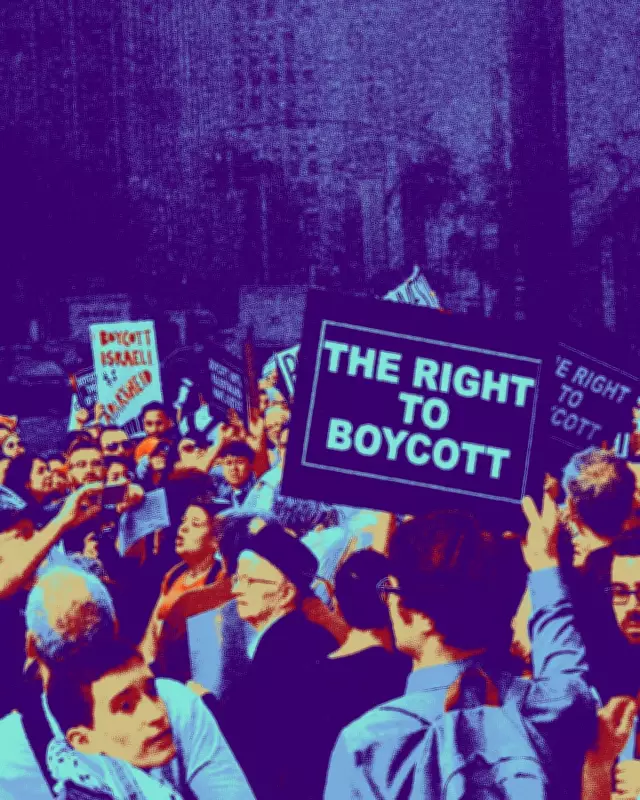
Eskanda explains that Palestinians have called for a boycott of complicit Israeli cultural institutions since 2004. The Palestinian Campaign for the Academic and Cultural Boycott of Israel (PACBI), a founding member of the BDS movement launched in 2005, leads this effort. The boycott targets institutions, not individuals, and focuses on complicity rather than identity. Israeli cultural organizations are overwhelmingly complicit in whitewashing Israel's actions, including the ongoing genocide in Gaza, regional wars, and decades of military occupation and settler-colonial apartheid.
Rooney's Awakening to the Boycott
Rooney recalls her first awareness of the cultural boycott during protests in Dublin in 2014 against Israel's military campaign in Gaza, which killed over 2,000 people, including hundreds of children. That moment was formative for her as a person and writer; her novel Normal People includes a scene set at those protests. Initially, she tried to comply with BDS as a consumer but sold translation rights to her first two novels to an Israeli publisher later found to have links to the Israeli military. She admits she should have contacted PACBI for guidance but felt awkward or attention-seeking. By 2021, with more human rights organizations confirming Israel's apartheid system and her increased public profile, she felt a greater responsibility. She turned down a translation deal for her third book without seeking advice, a decision she now regrets not discussing with PACBI.
Eskanda's Involvement in the Boycott
Eskanda, who grew up in Britain, became active in the BDS movement a decade ago, drawn by its principled strategy to address international complicity. He emphasizes that since the onset of Israel's genocide in Gaza, tens of thousands of artists have demanded justice and refused to allow their work to whitewash atrocities. The core of the Palestinian call is ending complicity, a legal and ethical responsibility, especially given ICJ rulings on Israel's apartheid and illegal occupation.
Process Leading to the New Translation
Rooney describes the process as similar to any translation rights sale. November Books approached her agent, explaining how the publication would meet boycott requirements: it does not operate in illegal settlements, receives no state funding, and recognizes Palestinian rights, including the right of return. Rooney consulted PACBI to ensure compliance. She emphasizes she never boycotted the Hebrew language and is pleased Intermezzo will be available in Hebrew, as well as in Arabic with Palestinian publisher Tibaq.
Role of Dissident Israeli Institutions
Eskanda notes that an Israeli poll from November 2023, when over 10,000 Palestinians had been killed, showed 94% of Jewish Israelis supported the genocide. Few Israeli cultural institutions have met BDS conditions for exemption: ending complicity and endorsing Palestinian rights. November Books is an exception, and writers like Ta-Nehisi Coates also publish with them. Eskanda affirms that the tiny minority of Jewish Israelis supporting Palestinian liberation can play a part in the movement.
Guidance for Artists
Eskanda advises artists to see themselves as part of a larger collective, dropping ego to participate in the movement. The cultural boycott is a strategic tactic, not an individual purity test. Artists should ask whether an institution is complicit in international law violations, whether it benefits from apartheid, and what steps can be taken to prevent their work from reaching it. He urges artists to use their influence and privilege, even quietly if necessary, and to seek community.
Thousands of musicians, writers, and film workers have conditioned their work on ethical grounds. Dozens of states have imposed embargoes on Israel, and over 2,000 arts organizations have joined the cultural boycott. Millions boycott complicit companies. Eskanda stresses that the movement's success will be measured by Palestinian freedom, not just numbers.
Accountability and Hope
Eskanda emphasizes the need to pursue accountability for genocide and complicity, warning that if Israel gets away with it, no one will be safe. He calls for urgent action to end complicity, rejecting hopelessness.
Rooney's Experience with Backlash
Rooney recalls that her 2021 decision made headlines, and Israeli bookstore chains pulled her books. Initially rattled, she received encouragement from the movement and felt confident she did the right thing. She dismisses criticism, noting that standing up against injustice always invites backlash. Contrary to warnings that joining the boycott would end her career, she continues to write and publish happily, losing only the respect of those she didn't care to keep.
Subverting Power Through Writing
Rooney reflects on whether writing can truly subvert power, noting that early in her career, the very fact that her work was widely reviewed showed her political commitments were seen as manageable. However, since the UK government proscribed Palestine Action as a terrorist organization, she has lost the right to travel to the UK and her contracts with British companies are suspended. Yet she does not regret standing by her beliefs. Her popularity now heightens the stakes for the government trying to criminalize her work, making her more politically useful.




