
The Organised Resistance Behind the Rosa Parks Myth
Seventy years ago, on a bus in Montgomery, an event unfolded that would become a cornerstone of the American civil rights movement. Four African American passengers sat in the fifth row when the driver demanded they vacate their seats for a single standing white passenger. Three complied, but one woman, Rosa Parks, remained seated. The popular narrative often simplifies this moment as a spontaneous act of defiance by a tired seamstress, but the reality reveals a far more profound story of strategic, organised resistance.
Parks was not merely a weary individual on that day in 1955. She had been an active member of the National Association for the Advancement of Colored People (NAACP) in Montgomery since 1943. Her role extended beyond membership; she led the organisation's youth division and had been involved in investigating serious crimes against African American women in Alabama. This background dismantles the myth of the accidental activist, revealing instead a seasoned campaigner.
Civil Disobedience in a Modern Political Landscape
The philosophical underpinnings of civil disobedience, as defined by the influential 20th-century philosopher John Rawls, describe it as a 'public, nonviolent, conscientious yet political act'. Rawls argued that such acts, which involved willingly accepting punishment, could highlight injustice to the majority in an 'almost just' society. This framework, however, faces unprecedented challenges today.
During the Montgomery Bus Boycott, which lasted for a staggering 381 days, coordination was paramount. The success relied on an effective organisation swiftly distributing pamphlets and volunteers operating 'private taxis' for the Black community. As Parks herself famously stated, 'The only tired I was, was tired of giving in.' This was not a solitary struggle; it was a collective effort powered by coordination and a robust support network.
Today, the media landscape is fragmented. While acts of injustice can go viral, as seen with Black Lives Matter, they are also subject to immediate reframing and distortion by partisan outlets. Furthermore, the foundational Rawlsian notion of accepting punishment as a demonstration of 'fidelity to the law' is complicated when the state itself, as seen during the Trump administration, shows a tendency to undermine the rule of law and target legitimate dissent.
The Enduring Challenge of Legitimate Protest
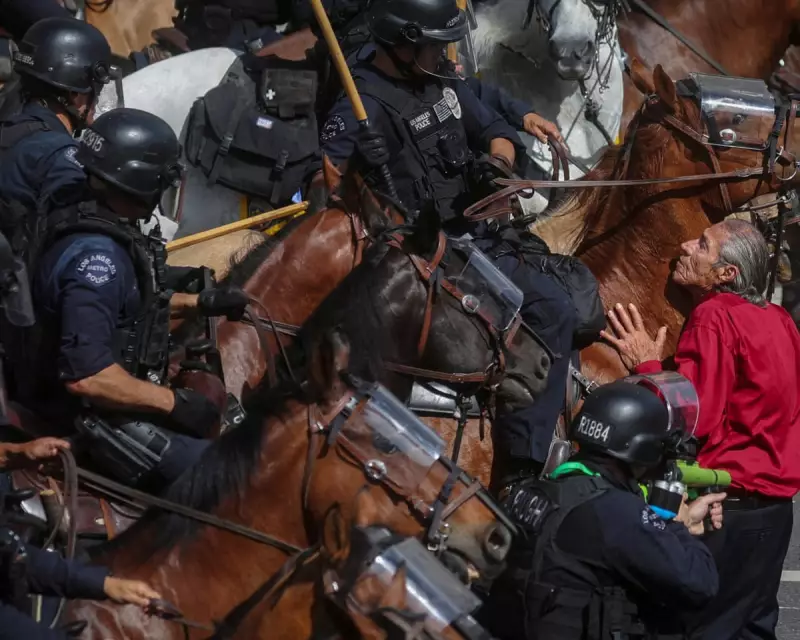
The celebration of the civil rights movement often overlooks a crucial historical truth: nonviolent protest was not widely popular among the white population at the time. This historical whitewashing contrasts sharply with current political rhetoric. The contemporary threat to dissent, both legal and illegal, is significant, with former President Donald Trump having threatened action against citizens he accuses of disturbing 'domestic tranquility'.
This creates a fundamentally different environment for civil disobedience than the one Parks navigated. The question for modern activists is whether acts of 'public speech', as Rawls defined civil disobedience, can be effectively heard and receive a good-faith hearing from the authorities. The structural challenges are profound, requiring new strategies to confront a political climate where vindictive repression of dissent is a real and present danger, making the lessons of organised, strategic resistance more relevant than ever.




