
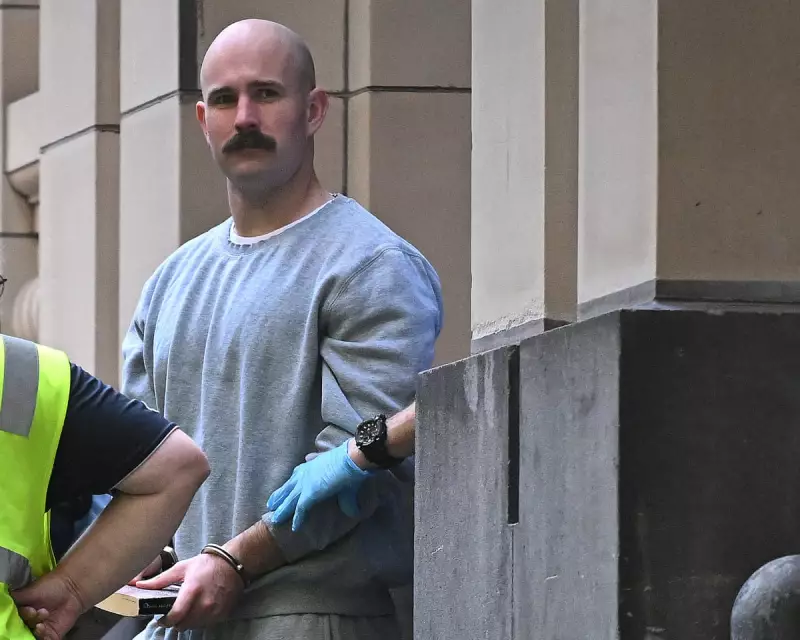
Thomas Sewell, the prominent leader of a neo-Nazi group, has been released from custody after the Supreme Court in Melbourne approved his bail application. The 32-year-old faces a series of serious charges connected to an alleged violent assault on the Camp Sovereignty protest site.
Court Overturns Previous Bail Decision
After spending 72 days on remand following his arrest on 2 September, Sewell's release was secured on Thursday. This decision came after a previous bail application was rejected by Magistrate Donna Bakos in September, who had ruled he posed a risk to public safety.
Justice James Elliott ultimately found that the prosecution had not successfully demonstrated that Sewell represented an unacceptable risk to the community. The judge acknowledged compelling reasons for granting bail, leading to Sewell's release on a $20,000 surety provided by his fiancée, Rebecca Konstantinou.
Details of the Alleged Camp Sovereignty Attack
The charges against Sewell stem from an incident on 31 August at Kings Domain, where the Camp Sovereignty protest was located on a site considered sacred to Aboriginal and Torres Strait Islander peoples.
Prosecutor Erik Dober told the court that Sewell allegedly led a group of approximately 30 men towards the camp, uttering the words "let's get 'em" before the violence erupted. The court heard that at least seven camp occupants were assaulted, with one individual being held down and kicked, and another being struck with a pole, kicked, and punched.
One victim was allegedly thrown to the ground and kicked in the head, an injury that required seven staples, while another was hit in the head with a flag pole.
Bail Conditions and Legal Arguments
Sewell's release comes with strict bail conditions designed to mitigate risk. He is prohibited from entering Melbourne's CBD and must not communicate with any of his alleged co-accused. His barrister, Dermot Dann KC, argued that it was unjust for Sewell to remain in custody when 14 co-accused had already been granted bail.
Dann also contended that a trial might not occur for up to two years, and that any potential sentence for Sewell's alleged role would not approach the maximum 10-year term for violent disorder. The prosecution had opposed bail, describing Sewell as the leader of a group with a "history of hate crimes and acts of violence" and emphasising his "initiating force" in the attack.
Despite these objections, Justice Elliott agreed with the defence's submissions, paving the way for Sewell's release as he awaits trial.




