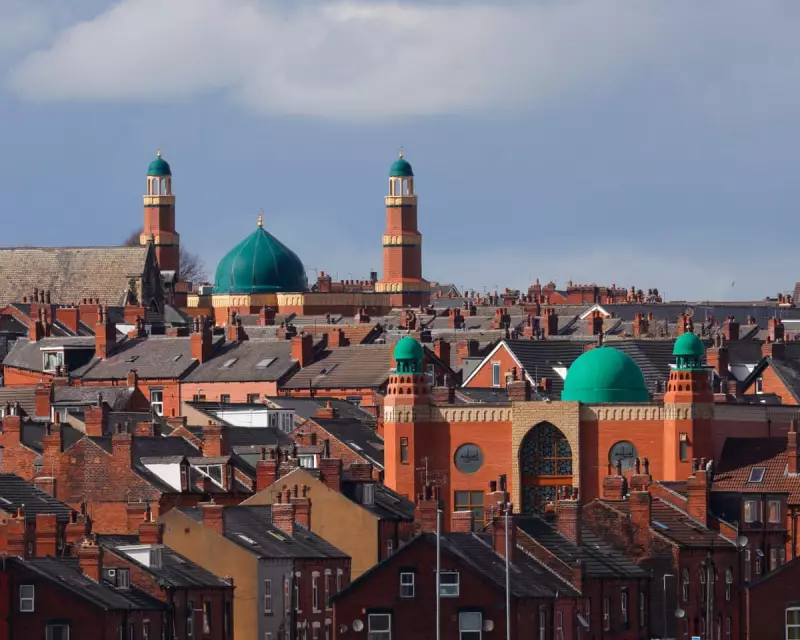
Mosques across Britain are facing an alarming surge in targeted attacks, with new data revealing that more than 40% of incidents involve British flags and Christian nationalist symbolism.
Summer of escalating violence
According to the British Muslim Trust (BMT), the government's official Islamophobia monitoring partner, 25 mosques were targeted in 27 separate attacks between July and October this year. The organisation reports that more than a quarter of these incidents involved violent or destructive behaviour.
The three-month period saw particularly disturbing cases, including a mosque set alight in East Sussex, windows shot with an air gun at a Merseyside mosque while children were inside, a paving slab thrown through windows in Greater Manchester, and a metal pole used to smash windows in Glasgow.
Weaponised symbolism
The BMT's analysis reveals a troubling pattern in the nature of these attacks. 40% of incidents featured British or English flags alongside Christian nationalist slogans such as "Christ is king" and "Jesus is king." The report indicates this reflects attempts by hard-right groups to weaponise Christian symbolism and idioms.
Three mosques experienced repeated targeting, while the overall number of incidents showed a clear escalation from just one in July to eight in August, rising to nine in September and maintaining at nine in October.
Coordinated intimidation
The BMT's report, titled 'A Summer of Division,' notes that August marked a significant shift in the nature of attacks. Incidents evolved from "single acts of vandalism to coordinated symbolic intimidation and violent attacks" according to the document seen by the Guardian.
While the data cannot establish direct causation, the BMT highlighted that the temporal correlation between nationalist public mobilisations and the spike in mosque-targeted incidents is striking. The organisation suggests that mainstream visibility of nationalist campaigns may have helped normalise or embolden anti-Muslim behaviour in local contexts.
The report also raises concerns about police response, noting that victims of anti-Muslim hate crimes consistently report limited follow-up from authorities and online platforms, creating a perception that such hatred is tolerated or minimised.
Calls for action
The BMT is urging statutory authorities to develop rapid response protocols and security measures specifically for mosques. They're also calling for streamlined applications for security funding and community cohesion education that emphasises mosques' roles as civic anchors.
Akeela Ahmed, chief executive of the BMT, stated: "The evidence from this summer is incontrovertible: anti-Muslim hate in Britain is rising in both visibility and severity - and mosques are being targeted on a staggering scale. This report must be a wake-up call."
The Department for Communities and the Home Office have been approached for comment regarding these concerning developments.