
Ministers proceeded with banning Palestine Action despite receiving official advice warning that the move could inadvertently enhance the group's profile and heighten community tensions, according to a confidential government document obtained by investigative journalists.
Official Warnings Ignored
The briefing paper, prepared in March by Home Office and Ministry of Housing, Communities and Local Government officials with input from counter-terrorism policing experts, explicitly cautioned that proscribing the direct action group could backfire. The document emerged three months before the government officially banned the organisation in June.
According to the assessment, Palestine Action was described as a small single-issue group with lower mainstream media exposure compared to other protest organisations like Just Stop Oil. However, advisers noted that the group's direct actions and subsequent arrests of activists had successfully generated media attention.
Public Opinion Concerns
The document highlighted significant public sentiment against Israeli military actions in Gaza, with polling indicating that 60% of Britons believed Israel had gone too far in the conflict. A similar percentage supported banning arms shipments to Israel - the very issue around which Palestine Action organises its activities.
Advisers warned that in the event of proscription, the group's profile may be inadvertently enhanced, potentially attracting support from members of the public who oppose Britain's involvement in the Israeli arms industry. The assessment also noted that the public disagreed with calls from rightwing media for tough action such as a ban.
Community Impact Assessment
The community impact assessment contained within the document raised serious concerns about the potential consequences of using terrorism laws against the group. It warned that a ban could heighten Muslim-Jewish tensions and be perceived as government bias in favour of Israel.
Ministers and senior officials were cautioned that proscription could become a flashpoint for significant controversy and criticism. The document also suggested that some within government and the wider public might view the decision as a concerning expansion of terrorism powers into the realm of free expression and protest.
Despite these warnings, then Home Secretary Yvette Cooper announced the ban in June following allegations that the group's activists caused damage at RAF Brize Norton in Oxfordshire. The timing of the document reveals that the ban was under consideration well before this incident.
Huda Ammori, a co-founder of Palestine Action, stated that the document's predictions had proven accurate: Awareness of the issues and popularity of the group have grown exponentially. The ban has backfired.
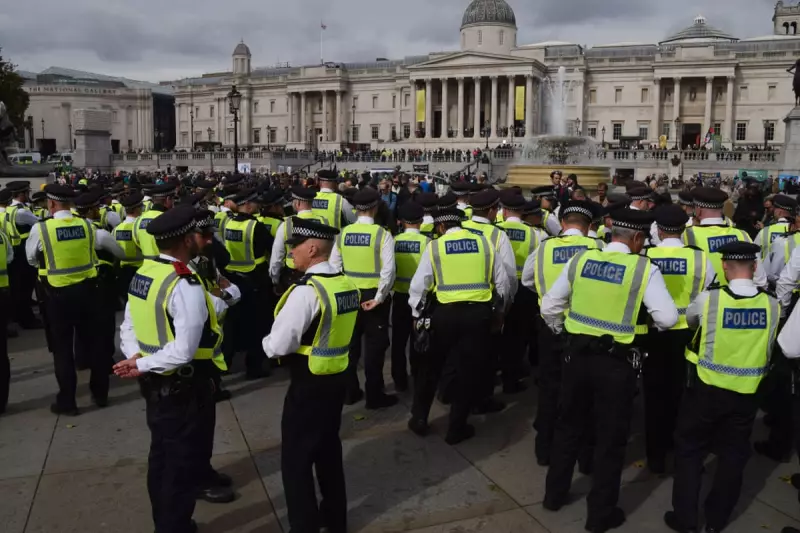
The ban has led to numerous protests where thousands have been arrested for displaying signs stating I oppose genocide, I support Palestine Action in public places.
A Home Office spokesperson defended the decision, stating: Palestine Action has conducted an escalating campaign involving criminal damage to Britain's national security infrastructure, intimidation, and alleged violence. That activity puts the safety and security of the public at risk.
The document also revealed that the Cabinet Office had been commissioning monthly surveys monitoring community tensions related to Israel and Palestine, indicating ongoing government concern about the issue's impact on social cohesion in Britain.




