
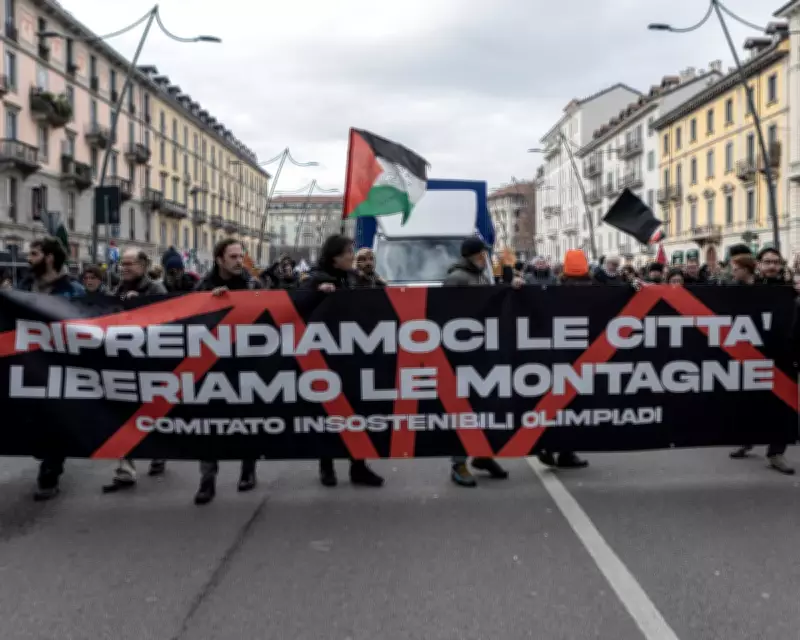
Meloni's Government Intensifies Crackdown on Protests Across Italy
The administration of Prime Minister Giorgia Meloni in Italy has significantly escalated its efforts to suppress public demonstrations, introducing a series of stringent measures aimed at curbing protest activities nationwide. This aggressive approach has ignited widespread controversy, with critics arguing that it undermines fundamental democratic freedoms and civil liberties.
Expanded Legal Framework and Enforcement
Under the new directives, Italian authorities have broadened the legal grounds for restricting protests, including imposing harsher penalties for unauthorized gatherings and increasing police powers to disperse crowds. The government justifies these actions as necessary to maintain public order and security, particularly in response to recent waves of activism on issues such as economic policies and social reforms.
Key aspects of the crackdown include:
- Enhanced surveillance and monitoring of protest organizers and participants.
- Stricter regulations on protest permits, making it more difficult for groups to obtain authorization.
- Increased use of fines and legal charges against individuals involved in demonstrations deemed disruptive.
Public and Political Reactions
The move has drawn sharp criticism from opposition parties, human rights organizations, and civil society groups, who accuse the Meloni government of eroding democratic norms and suppressing dissent. Protests against the crackdown have themselves been met with forceful police interventions, creating a cycle of tension and confrontation.
Supporters of the government, however, contend that these measures are essential to prevent chaos and protect national interests, pointing to instances of violence and property damage during past demonstrations. The debate highlights deep divisions within Italian society over the balance between security and freedom.
Implications for Italian Democracy
This intensified crackdown raises significant questions about the state of democracy in Italy, with observers noting a trend towards more authoritarian governance under Meloni's leadership. The situation is being closely watched by international bodies, which have expressed concerns over potential human rights violations and the shrinking space for civic engagement.
As the government continues to enforce these policies, the long-term impact on Italy's political landscape and civil liberties remains uncertain, with ongoing protests likely to test the limits of state authority in the coming months.




