
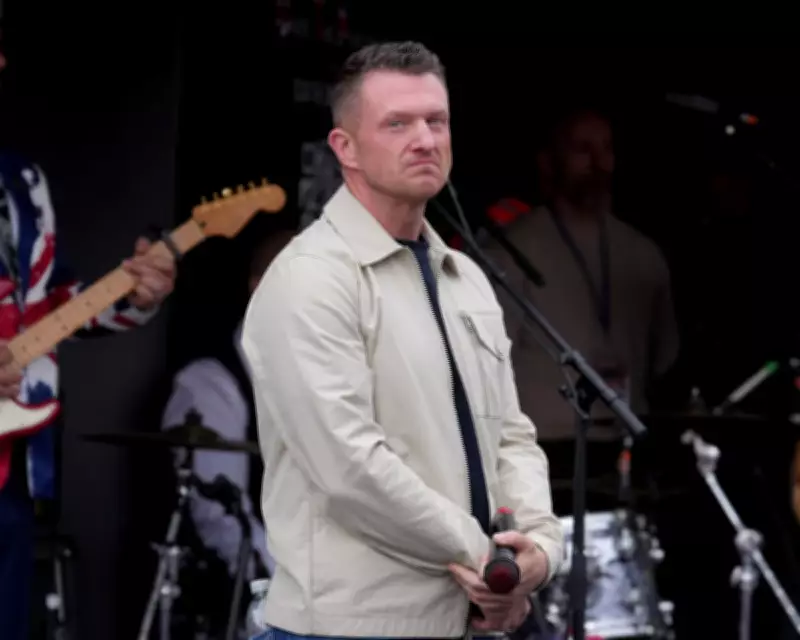
A recent letter to the editor questions the media's consistent use of the pseudonym "Tommy Robinson" when referring to far-right activist Stephen Yaxley-Lennon. The writer, Brian Davison from Edinburgh, expresses puzzlement over why outlets like the Guardian repeatedly use the phrase "Tommy Robinson, whose real name is Stephen Yaxley-Lennon," only to continue calling him "Robinson" throughout the article.
The Problem with the Pseudonym
Davison argues that this practice amplifies Yaxley-Lennon's invented persona, which carries echoes of a working-class hero from World War I. He suggests that the media's consistent use of the pseudonym may have been decided in an editorial meeting long ago, perhaps because alternatives seemed risky. However, he believes the activist is now well-known enough that the pseudonym is no longer necessary.
Proposed Change in Wording
Davison advocates for a pivot to phrasing such as "Stephen Yaxley-Lennon, who calls himself Tommy Robinson." This subtle shift would undermine the cult of personality Yaxley-Lennon has created. He also suggests that a more radical approach would include an explanation of the origins of his nom de guerre, further diminishing its power.
The letter highlights a broader issue in journalism: how the language used to describe public figures can shape public perception. By consistently using a self-chosen alias, the media may inadvertently lend legitimacy to a fabricated identity. Davison's call to action is a reminder that word choice matters, especially when reporting on individuals who seek to manipulate their public image.
Readers are invited to share their own opinions on this matter by emailing the Guardian's letters section.




