
High-Profile Commission Condemns Proscription Process
A powerful coalition of legal experts, former government ministers, and an ex-MI6 director has issued a stark criticism of the UK government's process for banning the direct action group Palestine Action. The independent commission, established by the Bingham Centre for the Rule of Law, concluded that the official definition of terrorism is too broad and risks classifying legitimate protest as terrorism.
Key Findings and Recommendations
The commission, chaired by Sir Declan Morgan KC, the former lord chief justice of Northern Ireland, delivered a damning assessment. It stated that a definition of terrorism relying heavily on executive discretion leads to inconsistency, perceptions of unfairness, and the potential suppression of lawful dissent. The panel, which included former attorney general Dominic Grieve and ex-MI6 counter-terrorism director Richard Barrett, heard evidence from more than 200 experts.
The report calls for a fundamental overhaul, recommending a more focused statutory definition. It proposes that terrorism should be narrowly defined as acts intended to coerce or subvert a government. Furthermore, the threshold for property damage should only apply to conduct that creates a serious risk to life, national security, or public safety, or involves arson, explosives, or firearms.
The Path to Proscription and Its Aftermath
Palestine Action was banned under the Terrorism Act in July, becoming the first direct action group to be proscribed. The move was initiated by former Home Secretary Yvette Cooper in June following an incident where protesters sprayed red paint on two Voyager aircraft at RAF Brize Norton in Oxfordshire. Prior to this, the group had primarily targeted UK sites linked to the Israeli arms manufacturer Elbit Systems.
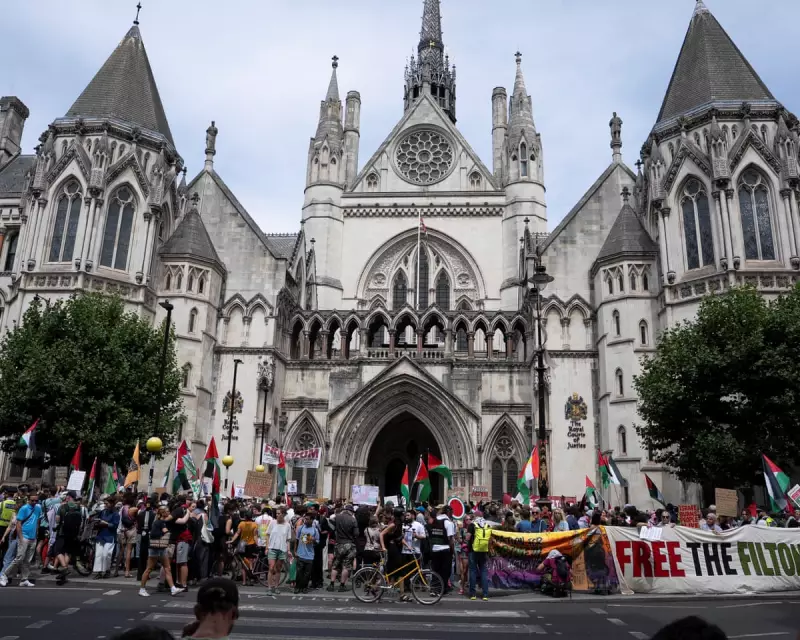
The commission highlighted that grouping Palestine Action with two neo-Nazi groups in a single proscription order was problematic, potentially deterring parliamentary scrutiny. Since the ban took effect on 5 July, authorities have arrested more than 2,000 people for alleged support, many simply for holding placards opposing genocide and supporting the group.
The report also criticised the government for failing to make clear in its explanatory memorandum that such expressions of support would be considered illegal.
Calls for Greater Scrutiny and Oversight
To prevent future misuse of proscription powers, the commission made several key recommendations:
- Implement better parliamentary oversight and judicial scrutiny.
- Conduct a review of classified evidence by parliament’s intelligence and security committee before any proscription order is made.
- Cease the practice of grouping unrelated organisations in a single proscription order.
Other notable members of the commission included former chief inspector of prisons Anne Owers and former Conservative party chair Sayeeda Warsi, underscoring the cross-party and expert nature of the concerns raised.




