Federal Judge Declares Tear Gas Use in Portland ICE Protests Unconstitutional
A federal judge has issued a landmark ruling that the deployment of tear gas by law enforcement agencies during protests against Immigration and Customs Enforcement (ICE) operations in Portland in 2026 was unconstitutional. This decision marks a significant legal precedent regarding the use of force in crowd control situations, particularly in the context of civil unrest.
Details of the Ruling and Its Implications
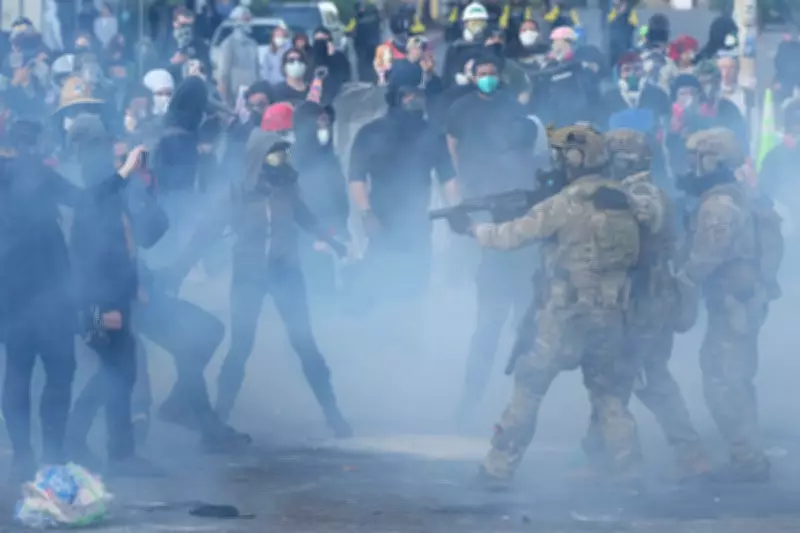
The judge found that the indiscriminate use of tear gas against protesters violated their First Amendment rights to free speech and assembly, as well as their Fourth Amendment protections against unreasonable seizures. Evidence presented in court demonstrated that the chemical agents were deployed in a manner that failed to distinguish between peaceful demonstrators and any individuals engaged in unlawful activities.
This ruling is expected to have far-reaching consequences for law enforcement policies across the United States. It may lead to stricter guidelines on the use of tear gas and other less-lethal weapons during protests, emphasizing the need for proportionality and targeted responses. Legal experts suggest that this decision could inspire similar challenges in other jurisdictions where tear gas has been used extensively.

Background of the Portland ICE Protests
The protests in question erupted in Portland in early 2026 in response to heightened ICE enforcement actions targeting undocumented immigrants. Thousands of activists gathered to voice their opposition, leading to prolonged clashes with police and federal agents. The use of tear gas became a focal point of controversy, with numerous reports of injuries and allegations of excessive force.
Community groups and civil rights organizations hailed the judge's ruling as a victory for accountability and justice. They argue that it underscores the importance of protecting democratic rights even in times of social tension. Conversely, some law enforcement representatives have expressed concerns about the potential limitations this ruling could impose on their ability to maintain public order.
As the legal battle concludes, the ruling is set to be studied by policymakers, activists, and legal scholars alike. It highlights the ongoing national debate over protest rights, police tactics, and immigration enforcement, with Portland serving as a critical case study in the balance between security and civil liberties.