
Police Shut Down Perth Rally Site Following Security Threat
Western Australia Police have taken decisive action to close the location of a planned Invasion Day rally in Perth's central business district after receiving intelligence about a specific threat. Authorities established an exclusion zone around Forrest Place and deployed substantial police resources to secure the area. One individual has been taken into custody in connection with the incident.
Jade Cameron, an attendee at the Perth gathering, described the situation as "chaos" as police prevented elders from conducting their traditional ceremony. "They tried to get the elders and everyone from going into Forrest Chase but we didn't know why," Cameron reported. "We managed to get the elders away and safe and proceed with our circles through the streets."
Peaceful Marches Disrupted by Anti-Immigration Clashes
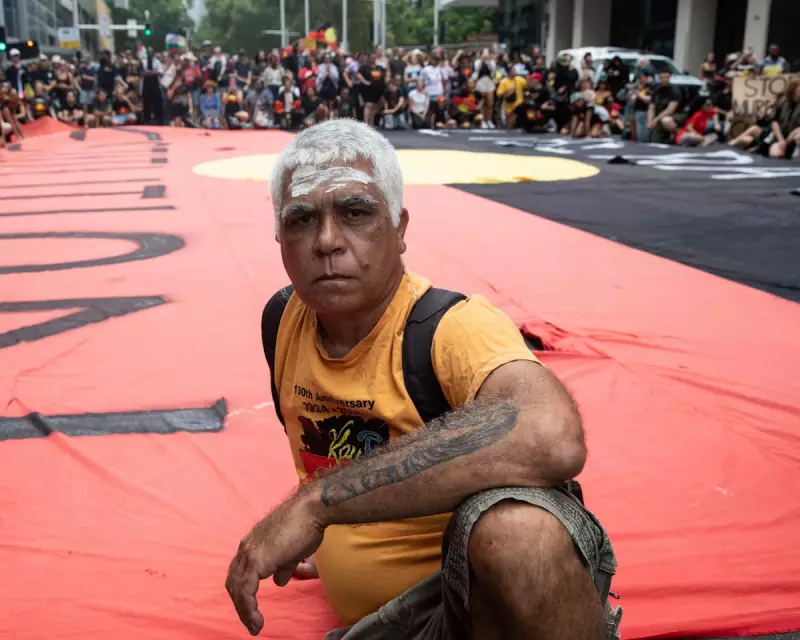
Across Australia's eastern states, tens of thousands participated in Invasion Day marches that remained largely peaceful, though police had to intervene in several locations where anti-immigration protesters clashed with First Nations demonstrators and their supporters.
In Melbourne, approximately 30,000 people joined the Invasion Day rally while around 500 attended a separate March for Australia anti-immigration event. Police in riot gear and mounted officers concentrated on the smaller rally but interrupted four separate altercations involving between two and ten anti-immigration protesters who clashed with the larger march as it proceeded down Bourke Street.
Emotional Tributes and Political Statements
The Sydney rally began with emotional tributes to Sophie Quinn, her partner John Harris, and her aunt Nerida, who were tragically killed in Lake Cargelligo just days earlier. Paul Silva, a Dunghutti man speaking alongside photographs of the victims, described Quinn as "a beautiful young woman with a gentle and kind nature" who was "looking forward to becoming a mum for her first time."
Organisers noted that police had only confirmed six days prior that participants in the New South Wales march would not face arrest risks, following the scaling back of anti-protest measures introduced after the Bondi terror event. Silva, who is also the nephew of David Dungay Jr who died in custody in 2015, had previously vowed to march regardless of whether protest laws were lifted.
Political Criticism and Calls for Truth-Telling
Speakers at various rallies criticised government approaches to protest regulation and called for greater recognition of Indigenous rights. One Sydney speaker condemned the Minns government for "silencing protests" following the Bondi attack, stating: "I send my love and condolences to the families of that terrible attack, but it's just as important that Aboriginal and Torres Strait Islander peoples get the same respect and recognition."
In Melbourne, Arrernte woman Celeste Liddle read a statement honouring the 88th anniversary of the first Day of Mourning protest, noting that most demands from that original demonstration "remain unanswered." Former Yoorook Justice Commission deputy commissioner Travis Lovett called for a national truth-telling commission, emphasising that "this country cannot heal unless it faces its history honestly."
Confrontations in Canberra and Brisbane
The Canberra march passed by approximately forty March for Australia protesters gathered on the lawns of Old Parliament House, with federal police forming a protective line between the two groups. Some anti-immigration attendees appeared to confront rally participants, including shouting at a mother with two young children.
Butchulla woman Wendy Brookman told the Canberra crowd that education represents the key to acknowledging Australia's violent past. "You cannot heal a wound you refuse to look at," she stated. "I don't accept the nation that celebrates while First Nations people grieve."
In Brisbane, speakers addressed several thousand people and called for a royal commission into racism against Indigenous people, comparing it to the royal commission on antisemitism established after the Bondi attack. Speaker Dale Ruska argued that racism against First Nations people has become normalised, describing Australia as "an historical crime scene" worthy of the same investigative effort.
The nationwide demonstrations occurred as a New South Wales parliamentary inquiry continues to investigate whether to ban the phrase "globalise the intifada," while Melbourne organisers celebrated a recent federal court victory against Victoria Police stop and search laws in the CBD.




