
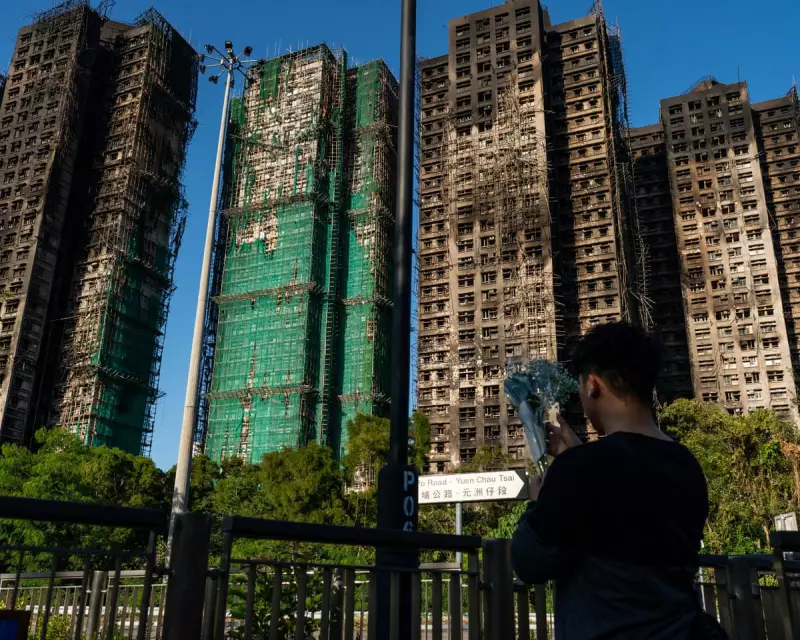
Public anger continues to mount in Hong Kong following a series of devastating apartment fires that have left communities reeling and raised serious questions about housing safety standards. The tragic incidents have sparked widespread concern among residents and prompted a strong response from Beijing regarding potential unrest.
Deadly Blazes Expose Housing Vulnerabilities
Multiple residential fires have erupted across Hong Kong in recent weeks, causing significant damage to properties and claiming several lives. The frequency and severity of these incidents have highlighted what many residents describe as long-standing safety issues in the city's densely populated housing estates.
Emergency services have been stretched to their limits responding to the simultaneous outbreaks, with firefighters working tirelessly to contain the blazes and rescue trapped residents. The scale of the destruction has left many families homeless and struggling to recover their possessions and livelihoods.
Beijing Issues Stern Warning Amid Growing Unrest
As public frustration grows, Chinese authorities have issued a firm warning against what they describe as 'anti-China disruptors' seeking to exploit the situation. Officials from Beijing have emphasised that any attempts to use the tragedies for political purposes will not be tolerated.
The statement from mainland authorities comes amid concerns that the fires and subsequent public anger could become focal points for broader discontent. Security measures have been heightened in affected areas, with authorities maintaining a visible presence to prevent what they term 'opportunistic elements' from capitalising on the situation.
Community Response and Safety Demands
Local community groups and residents have organised relief efforts for those displaced by the fires, while simultaneously demanding better safety standards and more transparent investigations into the causes of the blazes. Many are calling for immediate improvements to fire safety infrastructure in older buildings and more rigorous enforcement of existing regulations.
Survivors of the fires have shared harrowing accounts of their escapes and expressed frustration about what they perceive as inadequate safety measures in their buildings. Their stories have amplified calls for comprehensive reviews of fire safety protocols across Hong Kong's residential sectors.
Local legislators have pledged to address the concerns raised by constituents, though concrete timelines for implementing improved safety measures remain unclear. The government has promised thorough investigations into each incident, but many residents remain sceptical about how quickly meaningful changes will occur.
The situation remains tense as communities mourn their losses while navigating the complex political landscape that surrounds any significant public safety issue in Hong Kong. With Beijing's warning echoing through the city, the path forward requires balancing genuine public safety concerns with maintaining social stability in the special administrative region.




