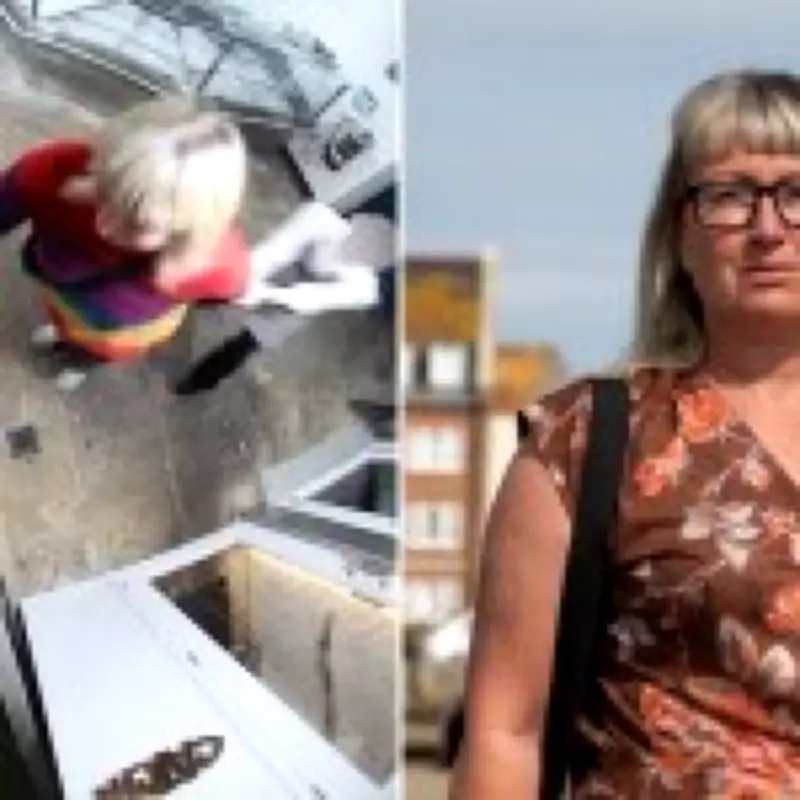
An animal rights campaigner has described her legal ordeal as a 'witch hunt' after she accidentally killed a crayfish by attempting to 'liberate' it from a Michelin-starred restaurant. Emma Smart, 47, removed a freshwater crayfish from a tank at Catch at the Old Fish Market in Weymouth, Dorset, and placed it into the harbour waters in April 2025. However, the crustacean, named Ronnie, was not intended for consumption and likely died when introduced to the cold ocean, according to restaurant owner Sean Cooper. Cooper also claimed that Ronnie's tankmate, Reggie, died of 'loneliness' shortly afterward.
Legal Consequences and Public Reaction
Smart was convicted of criminal damage, handed a restraining order against the restaurant, and received an eight-month conditional discharge earlier this month. In a Facebook post, she wrote: 'They call it criminal damage. I call it a crustacean jailbreak.' Smart, a marine biologist, said she committed the act during a mental health crisis caused by workplace bullying. She described the subsequent legal process as a 'bizarre witch-hunt' and a 'weird, ego-driven vendetta' enabled by a system that protects 'old, white, wealthy, influential men.'
Cooper, who kept the crayfish as a pet for educational purposes, expressed distress over the loss. He told the BBC that the crayfish had been kept for two years so children dining at the restaurant could observe their growth, as they are not native to Dorset. He labelled Smart's actions as 'ignorant.' Smart countered by calling Cooper's response a £13,000 'legal tantrum' and criticised his business model, which she claims relies on removing marine wildlife from a dying ocean for profit.
Species Confusion and Animal Welfare
The incident has sparked confusion over the species involved. Extinction Rebellion noted that the crustacean was actually a spiny lobster, not a crayfish, and suggested it might have survived. Spiny lobsters, sometimes called crayfish, are solitary sea dwellers threatened by climate change and overfishing. Campaigners advocate for more humane killing methods, such as stunning with electricity, instead of boiling them alive.
Dorset Police stated that a 'proportionate investigation was carried out.' During sentencing, Honour Judge Susan Evans remarked: 'The lobster was not there for consumption. It was there for educational purposes. You were determined to take it from the tank and you placed it in the harbour. It was a deeply misguided thing to have done. It was not a good thing for the lobster at all and whether or not it survived, we don't know.'