
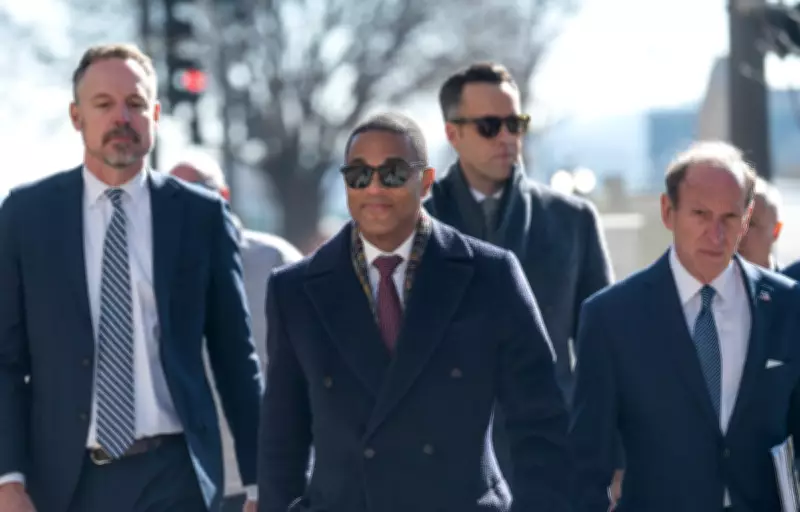
Former CNN anchor Don Lemon has formally pleaded not guilty to charges stemming from his arrest during an anti-ICE protest in Minnesota. The plea was entered in a Minnesota court, where Lemon's legal team is mounting a defense centered on First Amendment rights, arguing that his actions were protected under free speech provisions.
Details of the Arrest and Charges
Lemon was arrested earlier this month while participating in a demonstration against Immigration and Customs Enforcement (ICE) policies in Minneapolis. The protest, which drew dozens of activists, involved a sit-in at a federal building, leading to multiple arrests for alleged trespassing and disorderly conduct. Authorities have charged Lemon with misdemeanor offenses related to these incidents, though specific counts have not been publicly detailed in court filings.
Legal Arguments and Defense Strategy
In court documents, Lemon's attorneys emphasized that his involvement in the protest was a peaceful exercise of constitutional rights. They contend that the charges infringe upon his First Amendment freedoms, potentially setting a precedent for limiting political expression. The defense plans to challenge the legality of the arrest, citing video evidence and witness testimonies that support claims of non-violent conduct.
Background and Public Reaction
Don Lemon, a prominent media figure known for his outspoken commentary on social issues, has been an active supporter of immigrant rights causes. His arrest has sparked widespread media coverage and public debate, with supporters rallying behind him on social media platforms. Critics, however, argue that his actions disrupted public order, regardless of the protest's cause.
Implications for Free Speech and Activism
This case raises significant questions about the boundaries of free speech in the context of civil disobedience. Legal experts note that similar cases have tested the limits of First Amendment protections, particularly in protests involving federal properties. The outcome could influence how law enforcement handles future demonstrations, especially those targeting immigration policies.
As the legal proceedings advance, Lemon is expected to remain vocal about his stance, with a trial date likely to be set in the coming weeks. The case continues to draw attention from both political activists and legal observers, highlighting ongoing tensions between government authority and individual rights in the United States.




