
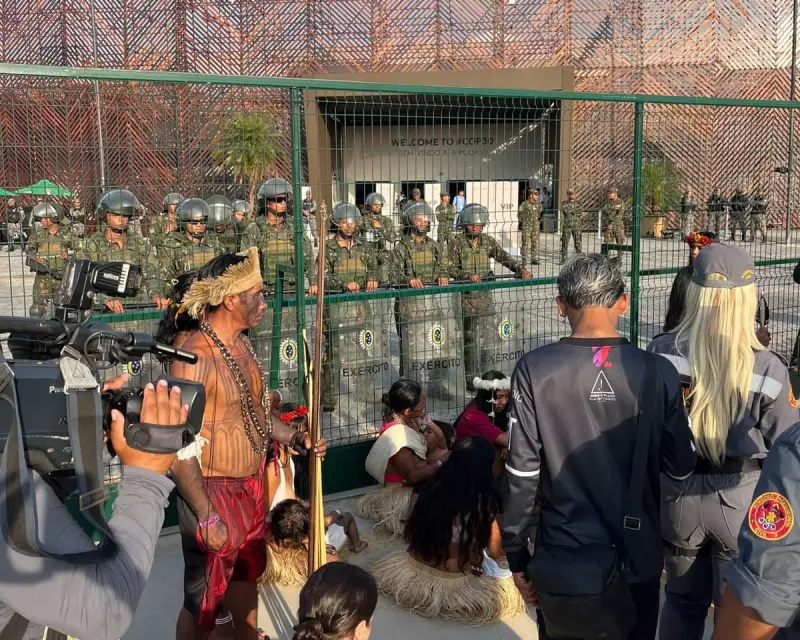
Climate activists have brought the COP30 summit to a standstill, blockading entrance points to demand immediate and decisive action from world leaders gathered at the critical environmental conference. The dramatic protest unfolded as tensions escalated over the slow progress in negotiations, particularly regarding the phase-out of fossil fuels.
Direct Action Disrupts Climate Talks
Hundreds of environmental campaigners formed human barriers around key access points to the conference venue, effectively preventing delegates from entering or leaving the summit. The blockade represents one of the most significant direct actions ever witnessed at a UN climate conference, highlighting the growing frustration among climate groups with what they describe as "inadequate progress" and "empty promises."
Protesters carried banners reading "No More Empty Promises" and "System Change Not Climate Change," while chanting slogans demanding immediate action on reducing greenhouse gas emissions. The atmosphere remained tense but largely peaceful as security personnel monitored the situation closely.
Key Demands and Summit Response
Organisers of the blockade presented three core demands to summit participants: an immediate end to all new fossil fuel projects, binding commitments for wealthy nations to provide climate finance to developing countries, and concrete implementation plans for existing climate pledges. These demands come as preliminary reports suggest negotiations are stalling on several critical issues.
Conference organisers have acknowledged the disruption but emphasised their commitment to maintaining dialogue with all stakeholders. "While we understand the frustration driving these protests, we urge all parties to allow the diplomatic process to continue," stated a UN spokesperson. Several high-level sessions have been rescheduled due to the access issues caused by the blockade.
Broader Implications for Climate Diplomacy
The protest action at COP30 reflects a broader shift in climate activism tactics, with many groups moving beyond traditional demonstrations to more disruptive methods. This escalation comes amid scientific warnings that the world remains off track to meet the Paris Agreement targets, with emissions continuing to rise despite decades of climate negotiations.
Inside the summit, delegates from climate-vulnerable nations have expressed solidarity with the protesters' frustrations, if not their methods. "We cannot continue with business as usual while islands disappear and communities face destruction," said one representative from a Pacific island nation. "The urgency these young people are showing reflects the urgency of our reality."
As the blockade continues, attention turns to how summit organisers will address both the immediate access issues and the underlying concerns driving the protests. The coming hours will prove critical for both the progress of formal negotiations and the relationship between institutional climate diplomacy and grassroots climate movements.




