
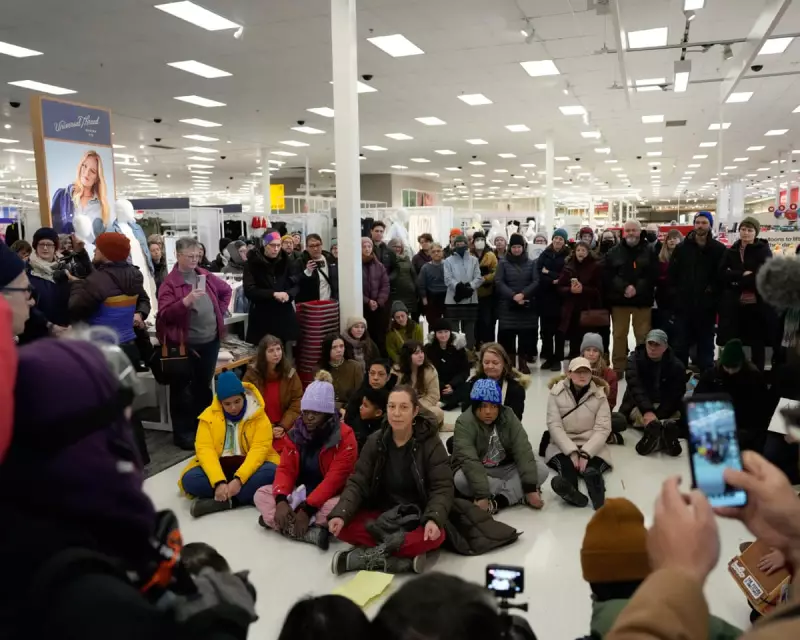
In 2025, a wave of consumer activism swept across the United States, demonstrating that organised boycotts remain a potent tool for challenging corporate power. This resurgence comes as the nation commemorates the 250th anniversary of its founding, a moment steeped in the very tradition of economic protest that helped birth the country.
The Historical Legacy of American Boycotts
The United States was, in many ways, founded on the principle of the boycott. The sustained colonial protests against Great Britain's Stamp Act and Townshend Duties in the 1760s placed significant economic pressure on British merchants and parliament, leading to the repeal of most taxes. Crucially, these early activists did not merely refuse British goods; they simultaneously built an alternative, domestically-produced marketplace for homespun clothing, paper, and other necessities.
This dual strategy of divestment and investment established a powerful blueprint. It showed that effective nonviolent action requires both withdrawing support from oppressive systems and creating viable, self-reliant alternatives. This historical precedent remains profoundly relevant today as modern activists seek to address contemporary corporate and political challenges.
The Banner Year for Boycotts: 2025 in Review
The past year witnessed a significant uptick in coordinated consumer action. Major corporations found themselves directly in the crosshairs of public discontent, with tangible financial and reputational consequences.
Corporate Targets and Impacts
Big-box retailers like Target and Walmart faced boycotts following decisions to roll back their commitments to diversity, equity, and inclusion initiatives. Home Depot encountered consumer backlash after immigration raids occurred near its store locations. Tech giants were not immune; Amazon was targeted over its political donations, treatment of workers, and market dominance, while Tesla faced boycotts linked to Elon Musk's political engagements.
Furthermore, longstanding movements gained renewed momentum. The Boycott, Divestment and Sanctions (BDS) campaign, aimed at challenging Israel's military actions in Palestine, reported increased impact and participation throughout the year.
Measurable Consequences
The financial toll of these actions became increasingly clear as 2025 progressed. Target reported layoffs, decreased sales, reduced store traffic, and a significant drop in its stock price. Walmart issued warnings to investors about the growing deleterious impact of consumer boycotts on its operations. Tesla experienced plunging stock values and sales as its brand became a liability for both current owners and prospective buyers. Even global giant McDonald's acknowledged that its markets were substantially affected by BDS-related boycotts.
In stark contrast, companies perceived as upholding ethical standards benefited. Costco, praised by activists for reinforcing its DEI commitments, reported a notable 7% increase in net sales in April compared to the previous year, highlighting a potential reward for corporate responsibility.
Building on Momentum: A Strategic Framework for 2026
As these movements aim to deepen their impact in the coming year, activists and organisers can draw from historical lessons and contemporary experience. Three core imperatives emerge for building sustainable, effective boycott campaigns.
1. Fostering Community and Collective Identity
Successful boycotts transcend mere consumer choice; they build powerful communities. During the American Revolution, protests like "spinning bees"—where colonists gathered to produce yarn domestically—forged unity and pride across diverse regions. Similarly, the carpool systems organised during the Montgomery bus boycotts of the civil rights movement strengthened communal bonds and a sense of shared agency.
Modern initiatives, such as TargetFast.org, seek to replicate this by creating digital and physical spaces for coordination and solidarity. Building a compelling collective identity is a crucial prerequisite for maintaining morale, withstanding backlash, and laying the groundwork for long-term self-reliance.
2. Creating Parallel Institutions and Alternatives
Divestment alone is rarely sufficient. History shows that the most successful boycotts simultaneously invest in building alternative institutions to meet community needs. The colonists created their own manufacturing base for essential goods. The Montgomery boycotters developed an entirely new, community-run transit system.
For today's activists boycotting giants like Amazon, Walmart, or Home Depot, this means strategically supporting local businesses, cooperatives, and ethical alternatives. While Costco has served as one alternative for some shoppers, sustained pressure on boycotted corporations will require broader campaigns that actively channel spending toward local, brick-and-mortar enterprises and fair-trade options.
3. Cultivating Patience and Long-Term Perseverance
Economic pressure requires sustained discipline. A one-day protest is unlikely to impact billionaire-owned corporations, but a coordinated, multi-month or multi-year campaign can. The colonists' protest against the Townshend Duties lasted from 1767 until the taxes were repealed in 1770. The Montgomery bus boycott persisted for a full year, mobilising approximately 40,000 Black residents. The United Farm Workers' grape boycott in the late 1960s endured for five years.
While shorter actions can sometimes yield results—such as the recent weeklong boycott of Disney+ and Hulu—most meaningful change demands longer engagement. Assessing a target's vulnerability and public perception are critical first steps for any new campaign, including emerging proposals related to major events like the World Cup.
The Path Forward: Replicating a Proven Model
The nation's founders established a powerful, replicable model for nonviolent economic action. Its core components—people, parallel institutions, and perseverance—remain as vital today as they were 250 years ago. The most lasting impact often lies not just in what is protested, but in what is built during the boycott itself: stronger communities, ethical alternatives, and a renewed sense of civic power.
Across the United States, a new critical consciousness is emerging. Individuals who have never before spoken out are now raising their voices. People who have never organised are now mobilising. There is a growing hunger for a practical, nonviolent playbook to challenge oppressive systems. This burgeoning spirit of engaged, strategic activism—visible in communities and professional circles alike—offers a profound source of hope and a foundation for the new history to be written in 2026.




