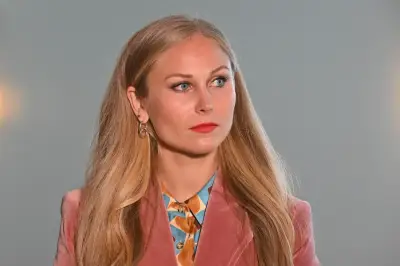
The Crown Prosecution Service (CPS) has warned that young people may not realise they have been victims of stalking, as it launches a new action plan to address a rise in offending. The number of stalking offences charged by the CPS in England and Wales reached a record high of 7,168 last year, with more than 80% flagged as relating to domestic abuse, meaning most victims were stalked or harassed by someone they knew.
Digital World Blurs Boundaries
Olivia Rose, the CPS’s national stalking lead, said young people are growing up in a digital world with unprecedented access to friends and strangers. What may seem innocent at first can escalate into stalking. She explained that both victims and offenders often struggle to identify when boundaries are crossed. Some people may not recognise they have been victims, while offenders may not understand when their behaviour becomes criminal.
The four-year stalking action plan includes exploring a specific policy statement for children and young people to help them recognise stalking behaviours. Rose emphasised the importance of educating victims to spot signs and report stalking, as well as educating younger offenders to understand when their behaviour escalates into criminality.

Victim’s Harrowing Experience
Lisa, not her real name, met her partner at age 15 and was with him for 20 years. After leaving him, he began stalking her. He would appear at the family home, bombard her with emails, calls, and messages, try to hack her email, set up fake social media profiles, and even access their child’s Facebook account to view her posts. He locked her out of an email account she had since age 12, which contained messages from her deceased grandmother. He also created dating profiles and swinger website listings in her name with her phone number.
Lisa said she felt extremely suicidal, believing the only escape was to end her life. She felt petrified in her own home. Her stalker was eventually jailed for two years and eight months, but the impact persists. She still has nightmares and flashbacks, never wants another romantic relationship, and constantly looks around fearing she is being followed.
Technology-Driven Stalking
Rose noted that offenders use technology to stalk, monitor, and control victims, including social media, messaging apps, GPS trackers, banking apps, and shopping apps. The CPS is collaborating with tech experts to identify and tackle digital stalking patterns. She stressed the importance of staying ahead of emerging trends and understanding what offenders might do next.
Action Plan Measures
Other measures in the plan include working with police to help officers and prosecutors recognise patterns of control and trauma response underlying stalking, and improving transparency through stalking-specific data flagging. This data has already revealed year-on-year increases in prosecutions. Rose said charities had long requested such detailed information, which the CPS can now provide.