White House Doctored Photo of Minneapolis Woman Unlikely to Derail Case, Experts Say
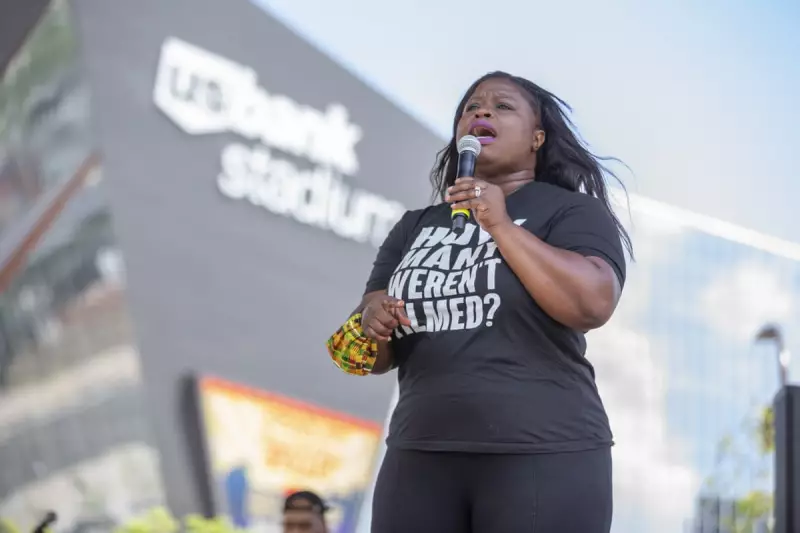
Legal experts have weighed in on the potential impact of a White House decision to post a digitally altered photograph of Nekima Levy Armstrong, a woman arrested in Minneapolis. The image, which shows Armstrong with darkened skin and tears running down her face, was shared on Thursday following her arrest during a protest at a church service.
Context of the Arrest and Altered Image
Nekima Levy Armstrong was one of three individuals arrested on Thursday in connection with a disruptive protest outside a Minneapolis church. Approximately thirty minutes after Homeland Security Secretary Kristi Noem posted a picture of Armstrong's arrest, the White House circulated a manipulated version of the photograph. Notably, Noem posted images of the other two defendants without alteration, raising questions about the selective targeting of Armstrong in this instance.
In the United States, criminal defendants are presumed innocent until proven guilty, and prosecutors are expected to avoid statements or actions that could prejudice a jury. The posting of this doctored image has sparked significant controversy, with Armstrong's attorney, Jordan Kushner, criticising the move as turning a legal process into a political spectacle. Kushner described the alteration as characteristic of a fascist regime, accusing the administration of distorting reality to fit its narrative.
Legal Implications and Expert Analysis
While the White House has not disputed that the image was digitally altered, legal professionals suggest that this action may provide Armstrong's defence team with grounds to challenge the government's credibility regarding photographic evidence. Barbara McQuade, former US Attorney for the eastern district of Michigan, noted that such prejudicial actions, though problematic, can often be mitigated during jury selection by choosing jurors who have not been exposed to the material.
However, experts generally agree that the doctored photo alone is unlikely to derail the criminal case entirely. Samuel Buell, a former federal prosecutor and current law professor at Duke University, pointed out that the individuals responsible for posting the image may not be attorneys and thus not subject to disciplinary processes governing legal conduct. He anticipates that defence counsel will raise the issue in court if given the opportunity.
Broader Concerns and Political Motivations
Ken White, another former federal prosecutor now working as a defence lawyer in Los Angeles, characterised the White House's actions as sleazy and reflective of a juvenile ethos within the Trump administration. He emphasised that while contemptible, the doctored photo falls short of the threshold for outrageous government misconduct that could lead to case dismissal.
White further suggested that the prosecution may be appealing to the administration due to racial dynamics, noting that the parishioners involved were white while the defendants are Black. He argued that degrading a Black woman aligns with the interests of certain individuals within and supporting the administration, highlighting potential underlying prejudices.
The White House, when questioned about the altered image, directed inquiries to a social media post by Kaelan Dorr, the White House deputy director of communications. The post defended the administration's enforcement actions and indicated that such memes would continue, underscoring the political nature of the controversy.