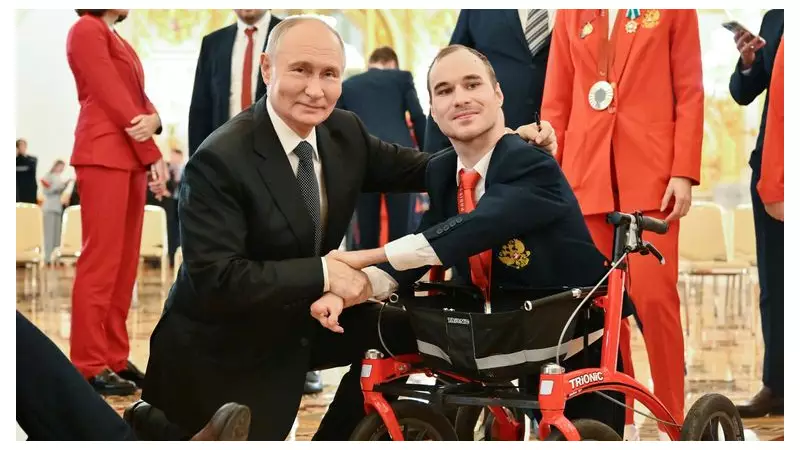
Ukraine has launched a fierce condemnation of the International Paralympic Committee's decision to lift its ban on Russian athletes, accusing organisers of providing an "opportunity to terrorist states to make sportswashing of their crimes". The move comes ahead of the Milan-Cortina Winter Paralympics scheduled for March, where athletes from Russia and its ally Belarus could now compete under their national flags once more.
Strong Opposition from Kyiv
Ukrainian Sports Minister Matvii Bidnyi, speaking from Kyiv in an exclusive interview with Sky News, expressed profound dismay at the ruling. "It's unjust, and we think it's not appropriate to give the opportunity to terrorist states to make sportswashing of their crimes," Bidnyi stated emphatically. He underscored that the ongoing conflict represents far more than a mere dispute, framing it as an existential question for Ukraine.
The minister highlighted the continued use of sports facilities in Crimea, which Russia annexed from Ukraine in 2014, as a particularly galling example of normalisation. This initial assault occurred between the Olympics and Paralympics in Sochi, while the full-scale invasion was launched between the Beijing Winter Games in 2022.
Historical Context of Sanctions
Russia had already been serving punishments for a state-sponsored doping scheme centred around the 2014 Sochi Games when further sporting sanctions were imposed following the invasion. The International Olympic Committee banned Russia for breaching its charter by incorporating sports entities in occupied Ukrainian territories.
However, International Paralympic Committee president Kirsty Coventry has supported lifting the ban, claiming there is less evidence of athletes being used to promote the conflict. This position has drawn sharp criticism from Ukrainian officials and their international allies.
International Backing for Ukraine's Stance
Ukraine's position has garnered support from more than thirty countries, including Britain. ParalympicsGB chef de mission Phil Smith told Sky News: "We opposed Russia and Belarus returning to the fold under their own flag. We were very vocal about that and have been one of the nations who have really spoken out. So our position is we don't believe Russia or Belarus should be at the Paralympic Games."
Despite this opposition, qualification timelines and separate punishments from sports federations mean it remains unclear exactly which athletes might participate. Smith noted the possibility of wild card positions being awarded closer to the Games, which could see Russian athletes competing under their national flag following the IPC's reinstatement decision.
Human and Infrastructure Costs
The conflict has taken a devastating toll on Ukrainian sport, with hundreds of athletes killed and numerous facilities destroyed in Russian attacks. Among the casualties was a Winter Games training base for biathlon in Chernihiv, bombed during Russia's failed advance on Kyiv in 2022.
Minister Bidnyi expressed personal hope that Russia would one day compensate Ukraine for the sports infrastructure left in ruins. "I would like the war to stop, I want Russia to go out from occupied territory," he said. "And I would like Russia to pay for destroying our cities and infrastructure."
Broader Implications and Ukrainian Sanctions
In a significant move last week, Ukrainian President Volodymyr Zelenskyy introduced sanctions against the Russian Paralympic Committee and its leadership, accusing them of using sport to justify the war and spread anti-Ukrainian narratives. "We have a lot of evidence this organisation, the Paralympic Committee of Russia, supports the war," Bidnyi asserted.
The sports minister also raised poignant questions about the human dimension of competition, asking: "How can I look at the Russian flag and shake hands with Russian athletes who support the war or - even not maybe strong support - but are still silent?" This emotional query underscores the profound ethical dilemmas facing international sport as it navigates geopolitical conflicts.
As preparations continue for the Milan-Cortina Winter Paralympics, the controversy surrounding Russian participation looks set to remain a defining issue, highlighting the complex intersection of sport, politics, and human rights on the global stage.