French Judge Exposes US Attempt to Influence Le Pen Election Ban
A senior French magistrate has publicly revealed that two emissaries from the Trump administration approached her in an attempt to lobby against the election ban imposed on far-right leader Marine Le Pen. Magali Lafourcade, secretary general of France's independent human rights commission (CNCDH), disclosed the concerning encounter during a meeting in Paris last May.
Unusual Diplomatic Approach
Lafourcade told Agence France-Presse that she immediately reported the conversation to the French foreign ministry, fearing potential manipulation of France's public debate. The two American advisers, Samuel D Samson and Christopher J Anderson from the Bureau of Democracy, Human Rights and Labor, steered discussions toward Le Pen's legal troubles during what should have been routine diplomatic exchanges.
The French magistrate expressed particular concern that the US officials appeared convinced Le Pen's corruption trial had been politically motivated, designed specifically to remove her from the presidential race. Lafourcade emphasized that this type of conversation "should not happen with allies" and represented a worrying form of potential interference in France's judicial independence.
Le Pen's Legal Battle
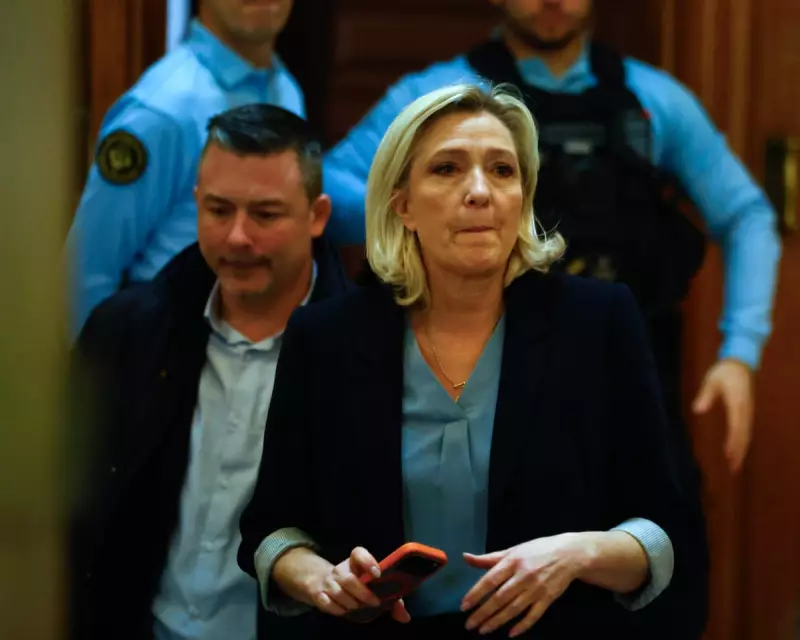
Marine Le Pen, the 57-year-old leader of the anti-immigration National Rally party, received a five-year ban from public office following her conviction for embezzling European parliament funds. The sentence, delivered in March after a nine-week trial, also included:
- A four-year prison term with two years suspended
- Two years to be served outside jail with electronic monitoring
- A €100,000 (£87,000) fine
Le Pen has consistently denied any wrongdoing and is currently appealing her conviction alongside ten other party members. During her appeal hearing this week, she maintained she had "always acted in good faith" and criticized what she called a "tyranny of judges" attempting to prevent her presidential ambitions.
Broader Political Implications
The revelation comes at a sensitive political moment as France prepares for next year's presidential election. Until her conviction, Le Pen had been considered a leading contender for the presidency. If her appeal fails and the ban remains, she would be replaced by her protege Jordan Bardella as the National Rally's presidential candidate.
International reactions to Le Pen's sentence have been polarized, with former US President Donald Trump describing it as a "witch-hunt" by "European leftists." Meanwhile, German magazine Der Spiegel has reported discussions within Trump's administration about sanctioning French prosecutors involved in Le Pen's case, though the Department of State has dismissed this as a "fake story."
Institutional Responses
French authorities have responded cautiously to the allegations of foreign interference. The president of the Paris judicial court, Peimane Ghaleh-Marzban, stated unequivocally that any move against French judges would "constitute an unacceptable and intolerable interference in the internal affairs of our country."
French government spokesperson Maud Bregeon acknowledged the government would remain vigilant about potential interference, though she noted there was currently no proof of any international manipulation of France's judicial processes. The foreign ministry has taken Lafourcade's report seriously but has not made any public comments on the matter.
The Bureau of Democracy, Human Rights and Labor previously stated on social media platform X that their meetings in Paris aimed to "reaffirm a shared commitment to free speech, democratic choice, and religious freedom," expressing concern about "using lawfare to silence free speech and censor political opponents."