US Intelligence Community Clashes with Trump Over Chagos Agreement
American intelligence agencies have expressed disagreement with Donald Trump's newly declared opposition to the Chagos Islands deal, according to Prime Minister Keir Starmer. The revelation comes as Downing Street sources maintain the agreement represents a "done deal" that will not be undermined by the US president's dramatic policy reversal.
Diplomatic Tensions Emerge During Beijing Visit
Starmer made these significant remarks while en route to Beijing for discussions covering UK national security and other critical issues. His comments directly challenge Trump's recent characterisation of the Chagos arrangement as an "act of great stupidity," potentially exposing divisions within the US administration regarding this strategically important agreement.
According to Downing Street insiders, the UK government has received no communication from either the US Department of State or American intelligence agencies suggesting any change in their position, despite Trump's increasingly fiery rhetoric on the matter. Officials suggest the president's apparent U-turn – enthusiastically embraced by Conservative opponents of the Chagos deal – may be connected to his broader ambitions regarding the strategically valuable Arctic territory of Greenland.

Detailed Review Process Undertaken
When questioned about whether he trusted Trump to honour previous commitments supporting the deal, Starmer provided detailed insight into the diplomatic process. "I've obviously discussed Chagos with Donald Trump a number of times," the prime minister told reporters. "The position, as you know, is that when the Trump administration came in, we paused for three months to give them time to consider the Chagos deal, which they did at agency level."
Starmer emphasised that following this comprehensive review period, US officials were "very clear in their pronouncements about the fact that they supported the deal," with public endorsements coming from multiple high-ranking figures including the defence secretary and President Trump himself.
Trump's Greenland Ambitions Influence Position
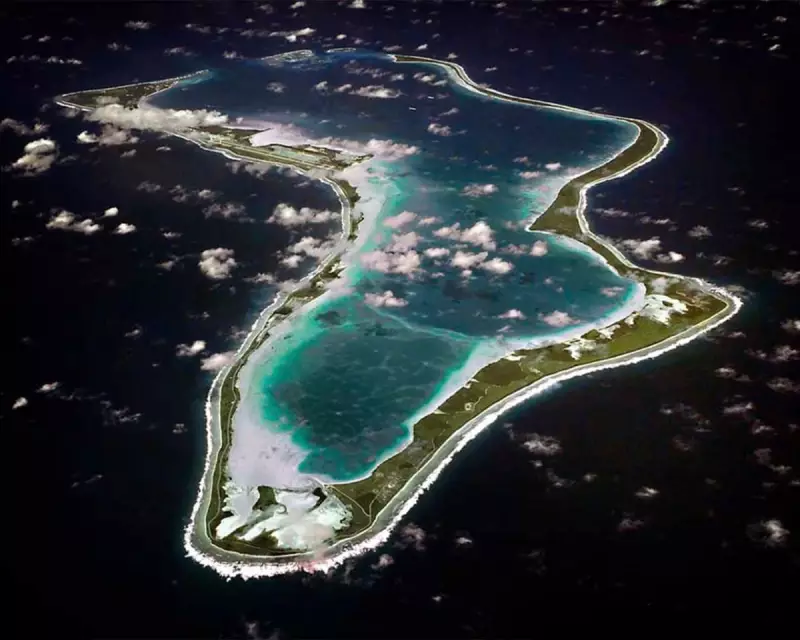
The controversy intensified last week when Trump suggested Britain's decision to cede the Chagos Islands to Mauritius contributed to his desire to acquire Greenland. In a series of social media posts, the president wrote: "Shockingly, our 'brilliant' Nato Ally, the United Kingdom, is currently planning to give away the Island of Diego Garcia, the site of a vital US Military Base, to Mauritius, and to do so FOR NO REASON WHATSOEVER."
Trump further claimed that "the UK giving away extremely important land is an act of GREAT STUPIDITY," positioning this as part of his justification for pursuing Greenland acquisition. This unexpected reversal initially surprised Downing Street, which had considered the matter settled months earlier, but has since prompted a more assertive stance from Starmer regarding Greenland-related discussions.
Legislative Progress and International Implications
The next parliamentary stage concerning the Chagos handover has experienced delays in the House of Lords, with Downing Street attributing this to ongoing discussions with American counterparts. A Number 10 spokesperson stated: "We're continuing to work with the US. We've worked with them throughout in terms of developing this treaty and as the ministers have set out, we are continuing to do that."
The Labour government originally agreed in October 2024 to transfer sovereignty of Chagos to Mauritius, while securing a 99-year lease for Diego Garcia where the UK operates a crucial military base jointly with the United States. The arrangement carries an official projected cost of £3.4 billion and was reportedly influenced by Washington's concerns about potential sovereignty challenges through international courts.
Starmer has consistently argued that the agreement "secured the base for the long term" while being "opposed by our adversaries" including China, though Conservative critics have accused the government of aligning with Beijing's interests. Interestingly, China abstained during the crucial UN vote that advanced the deal, with experts suggesting Beijing privately views the agreement as a national security setback.