Ukraine's National Anti-Corruption Bureau (NABU) has revealed a major corruption scheme at the highest levels of government, involving the country's nuclear energy authority during a period of severe energy crisis caused by Russian attacks.
The $100 Million Kickback Operation
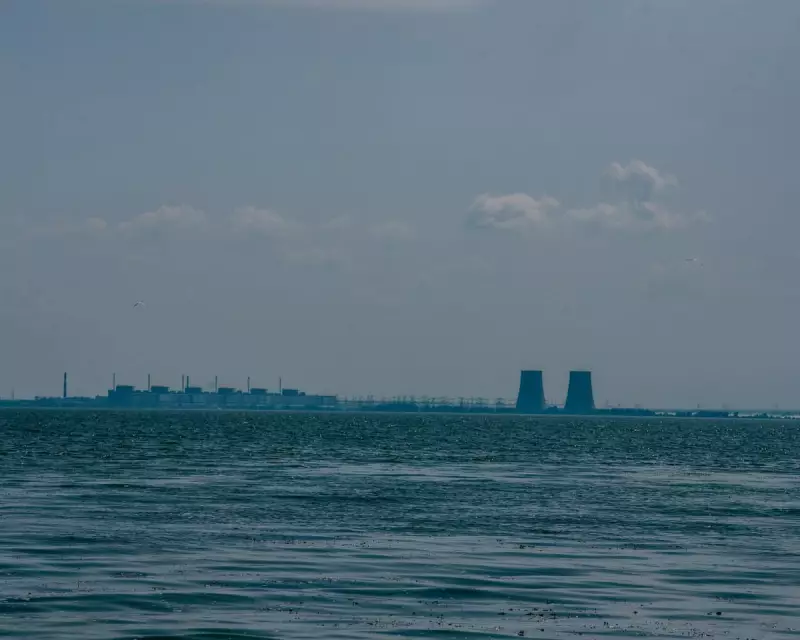
Anti-corruption investigators allege that a group of insiders received illegal payments amounting to approximately $100 million from commercial partners of Energoatom, Ukraine's state nuclear energy company. The company operates three nuclear power plants that supply more than half of Ukraine's electricity.
According to NABU, suppliers were forced to pay kickbacks of 10-15% of contract values. Those who refused faced removal from approved supplier lists or were denied payment for services already provided.

The conspiracy featured elaborate security measures, with participants using code names like "Professor," "Karlson," and "Sugarman" to conceal their identities. Cash payments were transported around Kyiv in large bags, sometimes delivered on foot, with one suspect allegedly sending his wife to collect dollars hidden in her vehicle.
Key Figures and Political Connections
The alleged mastermind of the scheme is Timur Mindich, a close friend and former business partner of President Volodymyr Zelenskyy. Mindich co-founded Kvartal 95, the media production company Zelenskyy established before entering politics.
Mindich fled his Kyiv apartment hours before NABU investigators arrived to arrest him and is now believed to be hiding in Israel. Other implicated figures include:
- Oleksiy Chernyshov, former deputy prime minister
- Herman Halushchenko, justice minister
- Svitlana Hrynchuk, energy minister
Both ministers have been fired from their positions, while all accused deny any wrongdoing.
Public Outrage and Wartime Context
The scandal has provoked intense public anger as Ukraine faces widespread blackouts following systematic Russian attacks on energy infrastructure. The timing couldn't be worse, with Russian forces advancing in southern and eastern regions after nearly four years of full-scale conflict.
Recorded conversations from NABU's 15-month investigation, codenamed Operation Midas, reveal shocking disregard for national security. One suspect expressed regret about building defences for power stations against Russian bombs, suggesting the money would be better stolen.
Evidence indicates Chernyshov used illicit funds to purchase four luxury mansions in a riverside development south of Kyiv, while Mindich's apartment featured a gold toilet, inspiring the investigation's codename.
Political Fallout and International Implications
This represents the largest corruption scandal since Zelenskyy became president six and a half years ago. The president has condemned the scheme, imposed sanctions on Mindich, and stripped him of Ukrainian citizenship.
However, the scandal raises serious questions about Zelenskyy's July attempt to remove NABU's independence, which was only reversed after significant public protests. The investigation suggests the corruption may extend to defence ministry contracts and banking connections.
Most alarmingly, evidence indicates kickbacks were funnelled through a Kyiv office connected to Andriy Derkach's family, a former Ukrainian politician now serving as a pro-Kremlin Russian senator, with some funds allegedly reaching Russia.
Despite the damaging revelations, some observers see positive signs in Ukraine's anti-corruption efforts. The fact that the investigation proceeded despite obstacles suggests the country is moving toward European standards of accountability and away from Soviet-era corruption patterns.