Key Ministers Fall in Major Wartime Corruption Scandal
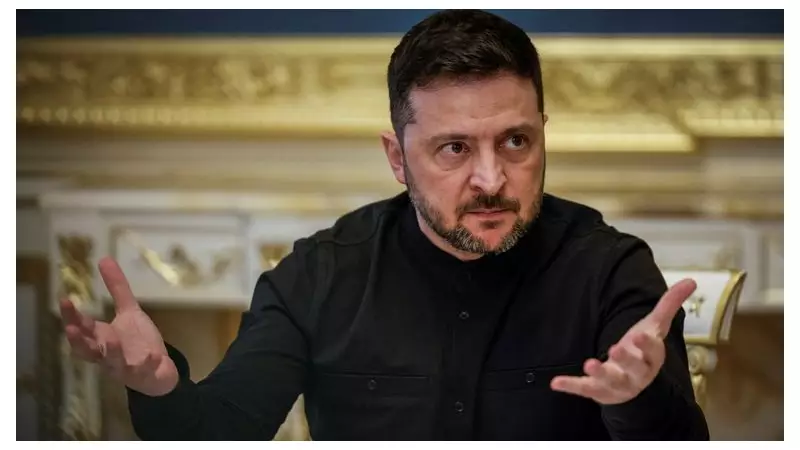
Ukrainian President Volodymyr Zelenskyy has forced the resignation of both his justice and energy ministers following revelations of a widespread embezzlement and kickbacks scheme centred on the state nuclear power company. The dramatic political development on Wednesday, 12th November 2025, represents one of the most significant government crises to hit Kyiv since Russia launched its full-scale invasion.
Justice Minister Herman Halushchenko and Energy Minister Svitlana Grynchuk both submitted their resignations after President Zelenskyy publicly called for their removal. The scandal emerges at a critically vulnerable moment for Ukraine, as Russian forces intensify attacks on energy infrastructure causing rolling blackouts while Ukrainian troops face relentless assaults on the front lines.
The 'Midas' Scheme: Fortifications and Kickbacks
At the heart of the scandal lies allegations that Minister Halushchenko and other prominent officials received illicit payments related to contracts for constructing defensive fortifications protecting energy infrastructure from Moscow's assaults. Former Deputy Prime Minister Oleksiy Chernyshov is also implicated in the scheme, which anti-corruption investigators have codenamed 'Midas'.

The findings stem from a comprehensive 15-month investigation by Ukraine's National Anti-Corruption Bureau (NABU), which included over 1,000 hours of wiretaps and more than 70 raids. The evidence revealed a network using code names and secretive language to discuss blackmail and pressure tactics against Energoatom contractors.
According to NABU, the conspirators demanded kickbacks of 10% to 15% from contractors in exchange for ensuring their business proposals faced no internal obstruction. The scheme exploited martial law regulations that prevent contractors from pursuing debt claims in court against essential service providers like Energoatom, which generates annual revenues of approximately $4.7 billion (£3.6 billion).
Wartime Consequences and International Fallout
The scandal has triggered the detention of five individuals, with seven others linked to approximately $100 million (£76 million) in alleged kickbacks within the energy sector. Wiretap excerpts, though not independently verified, suggest about $1.2 million was delivered to a former deputy prime minister referred to by the plotters as 'Che Guevara'.
Oleksandr Merezhko, a lawmaker from Zelenskyy's party, acknowledged the damage this scandal causes both domestically and internationally. 'Internally this scandal will be used to undermine unity and stability within the country,' he stated. 'Externally, our enemies will use it as an argument to stop aid to Ukraine. While Russians destroy our power grid and people have to endure blackouts, someone at the top was stealing money during the war.'
The resignations come as Ukrainian officials urgently seek European funds to address mounting energy shortages caused by Russian targeting of critical infrastructure and natural gas production facilities. This latest corruption case follows previous procurement scandals that led to the ousting of Defence Minister Oleksii Reznikov back in 2023.
President Zelenskyy, who was elected on an anti-corruption platform, has welcomed the investigation and urged full cooperation from government officials. Meanwhile, Energoatom has stated that the inquiry has not disrupted its operational activities.