
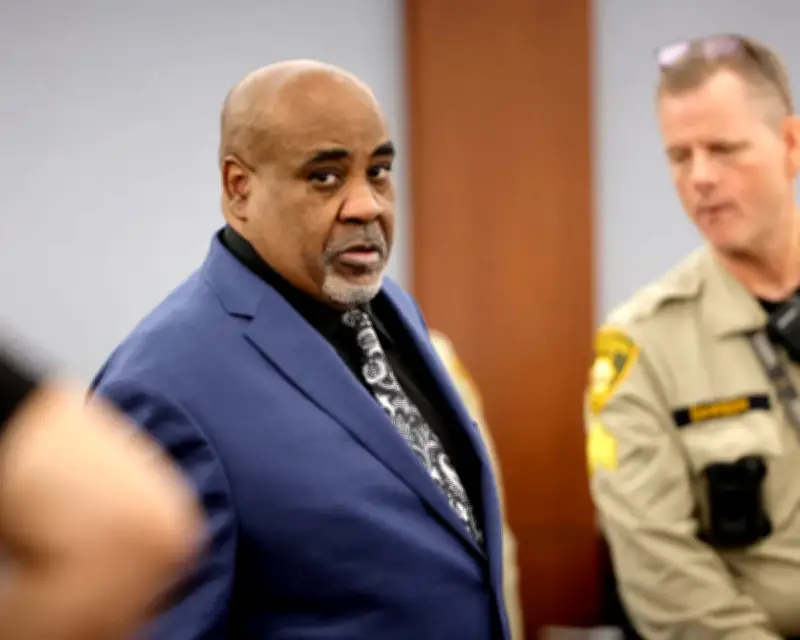
A Las Vegas court is set to hear closing arguments in the trial of Duane “Keffe D” Davis, the former South Side Compton Crips gang leader accused of ordering the 1996 murder of hip-hop star Tupac Shakur. Davis, 63, faces charges of murder with a deadly weapon, though he did not fire the fatal shots. He has pleaded not guilty.
Prosecution case and key evidence
Prosecutors, led by Clark County District Attorney Marc DiGiacomo and Chief Deputy District Attorney Binu Palal, have presented a case built largely on Davis's own words. Over the weeks-long trial, they called 25 witnesses, some of whom required court orders to testify due to reluctance. The prosecution's evidence includes eight hours of audio recordings from four separate meetings with investigators, as well as Davis's 2019 memoir, in which he detailed his involvement in the plot.
Davis is accused of orchestrating the retaliation against Shakur after the rapper's entourage beat Davis's nephew, Orlando “Baby Lane” Anderson, in the lobby of the MGM Grand casino on the night of 7 September 1996. Anderson, a member of a rival Compton gang, died two years later in an unrelated shooting. Davis claims he was in the white Cadillac that pulled up beside Shakur's vehicle at a red light, and that he brought a .40-caliber Glock to the scene. In his book, he wrote, “Them jumping on my nephew gave us the green light to want to do something to their ass. Pac chose the wrong game to play.”
Defense strategy and legal arguments
Defense attorney Michael Sanft has attempted to portray Davis's statements as exaggerated and embellished, arguing that Davis sought to profit from the public interest in Shakur's unsolved murder. The defense contends that Davis's accounts were inconsistent and unreliable, and that he was not the mastermind behind the killing.
Prosecutors, however, are expected to argue in closing that Davis's story has remained generally consistent across his various statements. Under Nevada law, admitting to arranging a murder is sufficient to be charged with the crime, even if the defendant did not pull the trigger. The prosecution has not named the shooter, and the other three men in the Cadillac have since died.
Family's long wait for justice
The trial marks a culmination of a decades-long investigation. Police have said they long suspected Davis but lacked sufficient evidence until he went public with his story in media appearances and his memoir. The case has been watched closely by Shakur's family, who have waited nearly 30 years for answers.
“We’ve been waiting 30 years to grieve properly,” Zayd Akinyela, Shakur’s cousin, told reporters outside the courtroom during the trial. “A lot of people don’t get to grieve until they understand what happened to their loved one and how it happened.” As closing arguments proceed, the jury will soon deliberate on whether Davis is guilty of orchestrating one of hip-hop's most infamous unsolved crimes.




