Trump's Greenland Framework Announcement Met with Widespread Doubts
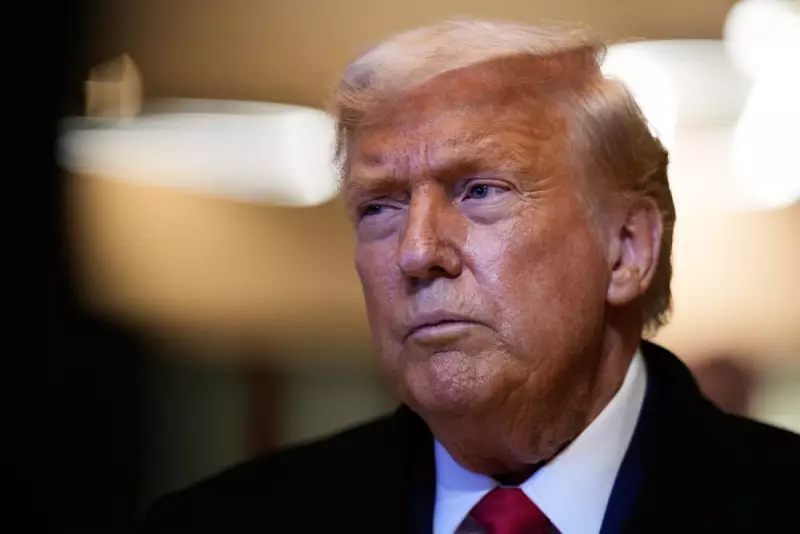
Former US President Donald Trump has declared that a 'framework of a future deal' regarding Greenland has been established, aiming to settle territorial disputes after weeks of escalating rhetoric. However, this announcement has been met with profound scepticism from NATO officials and Danish parliamentarians, who emphasise that significant work remains unresolved.
NATO and Danish Leaders Urge Caution Over Unfinished Details
In a speech at the World Economic Forum, Trump insisted on US interests in Greenland, including 'right, title and ownership', but later softened his stance by withdrawing military threats and announcing the framework following talks with NATO Secretary-General Mark Rutte. Rutte responded cautiously, stating there is 'a lot of work to be done' and noting that key issues, such as Greenland's status within the Kingdom of Denmark, were not addressed in discussions.
Danish Foreign Minister Lars Løkke Rasmussen acknowledged the day ended positively but stressed the need for negotiations that respect Denmark's red lines while addressing American security concerns in the Arctic. Meanwhile, some Danish MPs, like Sascha Faxe, expressed anger over Greenland's exclusion from the talks, calling it 'not real negotiations' and insisting any deal must involve Greenlandic representation.

Proposed Deal Terms and Greenlandic Resistance
Media reports suggest the compromise framework could grant the US sovereignty over small areas of Greenland housing military bases, akin to UK bases in Cyprus, and allow mining for rare earth minerals without Danish permission. However, Greenlandic MP Aaja Chemnitz Larsen firmly rejected NATO's involvement in sovereignty or mineral rights, stating it is 'completely out of the question'.
In Greenland, public reaction has been one of deep distrust. Residents in the capital Nuuk labelled Trump's claims as lies, with care worker Anak asserting that 'Greenland belongs to the Greenlanders', reflecting widespread local opposition to external control.
Market Reactions and Political Pressures
Trump's announcement coincided with a rebound in global financial markets, which had previously slumped due to his hawkish comments. Analysts like Mark Hackett noted that 'uncertainty just got priced out', suggesting market stability influenced the de-escalation. This pattern aligns with Trump's history of making threats only to retreat amid financial downturns, a phenomenon dubbed 'Taco' (Trump Always Chickens Out) by observers.
European leaders, including Italy's Prime Minister Giorgia Meloni and the Dutch Prime Minister Dick Schoof, welcomed the reduced tensions, viewing the tariff withdrawals as a sign of de-escalation. An emergency EU summit in Brussels is set to discuss further responses, as Sweden's Foreign Minister Maria Stenergard emphasised that European allies 'will not be blackmailed'.
Broader Implications for Transatlantic Relations
The episode highlights ongoing strains in transatlantic relations, with former US Ambassador to Russia Michael McFaul attributing Trump's shift to combined pressures from united Europeans, financial markets, and public opinion. As doubts persist over the deal's viability and Denmark's commitment, the framework remains a contentious topic, underscoring the complex interplay of diplomacy, security, and local autonomy in Arctic affairs.