Tory Peer's Expenses Misconduct Sparks Outcry Over Lenient Punishment
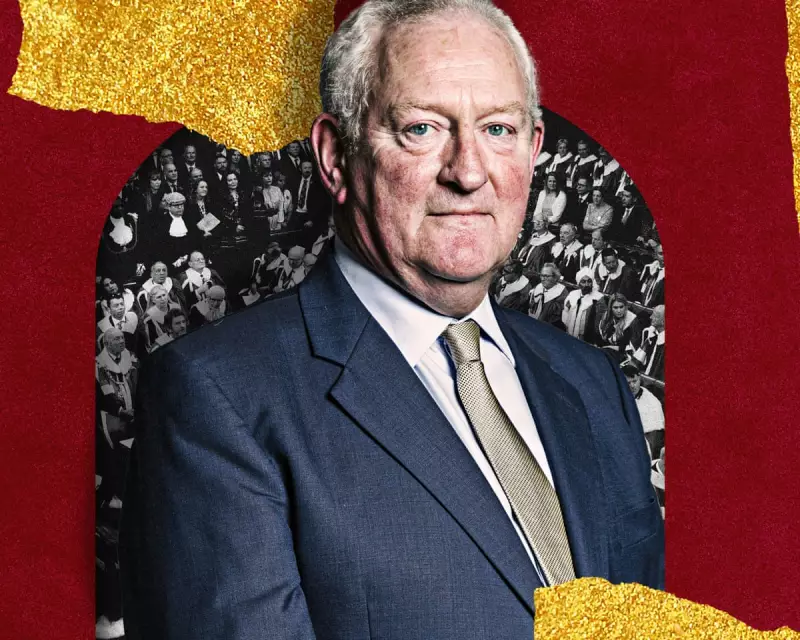
Campaigners have condemned as insufficient the disciplinary action taken against a Conservative hereditary peer who has been found to have breached House of Lords regulations for the second time. The Earl of Shrewsbury faces a two-week suspension from the upper chamber following an investigation that revealed he had improperly claimed parliamentary expenses.
Unacceptable Conduct with Public Funds
In a report published on Wednesday, the House of Lords conduct committee determined that the peer had manipulated his expense claims in what was described as an "unacceptably casual" manner. The investigation followed revelations that Shrewsbury had claimed travel expenses from public funds for journeys he did not actually make.
The misconduct occurred just three months after the peer returned to the Lords following a nine-month suspension for lobbying activities. That previous punishment, one of the most severe ever imposed on a peer, resulted from his "lucrative relationship" with a healthcare company for which he received £57,000 to lobby ministers and officials.

Details of the Expenses Irregularities
Martin Jelley, the House of Lords standards commissioner, found that the peer had improperly used a first-class rail pass intended solely for parliamentary work. Shrewsbury used the publicly funded ticket to travel from London to Liverpool in January 2024 to attend a board meeting of Cheshire Land, a property development firm where he served as a non-executive director.
In a leaked email to fellow directors, the peer had written that "the government pays" for his travel to the meeting. The investigation also uncovered that Shrewsbury had claimed for four car journeys that he could not have made, with Jelley noting his approach to mileage claims was particularly concerning.
Campaigners Demand Stronger Action
Kamila Kingstone, senior campaigner at Spotlight on Corruption, expressed serious concerns about the case. "This shows a deeply worrying disregard for the rules that protect public money," she stated. "Intentionally using parliamentary resources for private business, then being 'unacceptably casual' about false mileage claims, damages trust in the House of Lords."
Campaigners argue that the two-week suspension represents inadequate consequences for repeated rule-breaking. Kingstone emphasized that "this breach underlines the need for tougher enforcement and real consequences when standards are repeatedly ignored."
The Committee's Reasoning
The House of Lords conduct committee acknowledged that the financial amounts involved were relatively small at just under £200, and noted that Shrewsbury had quickly acknowledged his wrongdoing, offered a full apology, and reimbursed the house. They found no evidence of deliberate dishonesty.
However, the committee determined that a short suspension was warranted, particularly given that this represented the peer's second breach of conduct rules. They noted that while the previous violation did not involve allowances, both cases demonstrated Shrewsbury's failure to maintain proper separation between his parliamentary duties and business activities.
Broader Context and Implications
This case marks the fifth instance where the House of Lords has concluded that peers have broken rules following a months-long investigation by the Guardian into the commercial interests of members of the upper chamber. The Earl of Shrewsbury, whose full name is Charles Henry John Benedict Crofton Chetwynd Chetwynd-Talbot, has served in the Lords since 1981.
The conduct committee had previously judged his 2023 misconduct as "extremely serious" and damaging to the reputation of the House of Lords. The proximity of this latest breach to his return from suspension has raised significant questions about the effectiveness of current disciplinary measures and the culture of accountability within the parliamentary system.