Tokyo Court Orders North Korea to Pay Compensation to Victims of 'Paradise' Scheme
A landmark ruling in Tokyo has brought the harrowing legacy of North Korea's 'paradise on Earth' recruitment scheme back into sharp focus, as a court ordered the regime to pay significant compensation to survivors who endured decades of exploitation.
Decades of Deception and Suffering
For over six decades, the painful memories have lingered for Eiko Kawasaki and others who were lured from Japan to North Korea with promises of a socialist utopia. In a historic verdict, the Tokyo High Court has mandated that North Korea pay each plaintiff 20 million yen (approximately £94,000) in compensation, though enforcement remains a formidable challenge.
Between 1959 and 1984, more than 90,000 individuals, predominantly zainichi Koreans living in Japan, fell victim to this elaborate scheme. They were enticed by assurances of free education, healthcare, guaranteed employment, and housing—promises that swiftly evaporated upon arrival, revealing a reality of forced labour and severe human rights violations.

A Symbolic Victory Amid Practical Hurdles
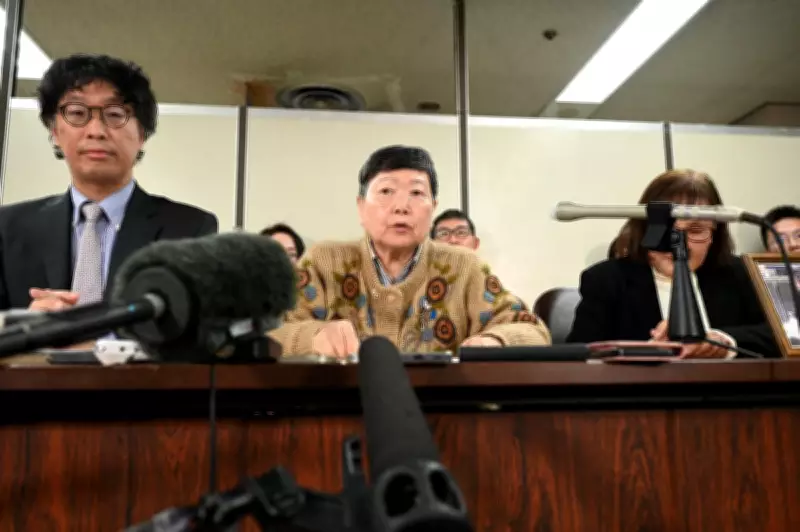
Eiko Kawasaki, now 83, expressed being "overwhelmed with emotion" following the ruling, yet she pragmatically acknowledged that receiving any payment is unlikely. The court has no direct means to enforce the order against North Korea, having symbolically summoned leader Kim Jong-un to testify. Kenji Fukuda, a chief lawyer in the case, suggested that confiscating North Korean assets in Japan might be the most viable path to retrieve the funds.
This case, initiated in 2018 by four escapees, represents a broader group of about 150 people who managed to flee North Korea and return to Japan. Their testimonies have shed light on a programme that critics describe as state-sanctioned kidnapping, aimed at addressing labour shortages while delivering a propaganda blow.
Broken Promises and Family Separations
Kawasaki's personal journey underscores the scheme's cruelty. Born in Kyoto, she boarded a ship to North Korea in 1960, only to be met with scenes of malnourishment and despair. She remained for 43 years before defecting in 2003, leaving behind adult children. The pandemic-era border closures have since severed contact, leaving her uncertain of their survival.
The initiative, supported at the time by the Japanese government and media portrayed as humanitarian, targeted Koreans facing discrimination in Japan. Many were descendants of those forcibly brought to Japan during its colonial rule of Korea, adding layers of historical injustice to their plight.
Legal and Human Rights Implications
Atsushi Shiraki, a lawyer for the plaintiffs, hailed the verdict as "historic," marking the first time a Japanese court has exercised sovereignty against North Korea to recognise its malpractice. Kanae Doi of Human Rights Watch praised the ruling as a crucial step in holding North Korea accountable for international crimes, noting that disloyalty under the scheme often led to imprisonment or forced labour.
While the Japanese government and the International Committee of the Red Cross were not sued in this compensation case, their roles in facilitating the scheme have been scrutinised. The verdict reignites discussions on reparations and justice for victims of state-sponsored exploitation, emphasising the enduring impact of such policies on generations of families.