Sudan Paramilitary Group Accused of Atrocities Accepts Truce Deal
International mediators have brokered a significant breakthrough in Sudan's devastating civil war, with the controversial Rapid Support Forces agreeing to a three-month humanitarian ceasefire. The paramilitary group, facing mounting allegations of war crimes including mass civilian killings in El Fasher, accepted the truce proposal from the quad countries of the United States, Egypt, the United Arab Emirates, and Saudi Arabia.
Mounting Evidence of Atrocities in Darfur
The ceasefire announcement comes amid disturbing new evidence of systematic violence against civilians in Darfur. Satellite imagery has revealed RSF recruits concealing bodies in mass graves just hours before the group agreed to the truce. According to Yale's Humanitarian Research Lab, which monitors war crimes in the region, the RSF appears to be conducting organised body disposal operations using trenches and pits.
The activist organisation Avaaz has reported that its Sudan team believes tens of thousands of civilians may have been slaughtered in El Fasher alone. Witness accounts describe RSF fighters moving from house to house, executing civilians and committing sexual assaults. In one particularly brutal incident documented by the World Health Organization, gunmen killed at least 460 people at a hospital while abducting doctors and nurses.

International Response and Investigation
Prosecutors at the International Criminal Court confirmed on Monday they are actively gathering evidence of alleged mass killings, rapes and other atrocities in El Fasher. The development represents a significant escalation in international scrutiny of the RSF's actions during the 30-month conflict.
The ceasefire agreement is understood to have involved substantial pressure from the UAE, the RSF's principal backer. The Emirates has faced repeated criticism for allegedly supplying weapons and mercenaries used in the capture of El Fasher, though they continue to deny these claims despite evidence presented in United Nations reports.
The three-month truce across Sudan may be viewed by some observers as an attempt by the RSF to deflect attention from the El Fasher allegations. The timing of the agreement, coming immediately after the emergence of satellite evidence showing mass graves, has raised questions about the group's motivations.
Ongoing Conflict and Peace Efforts
Despite the ceasefire agreement, the RSF's decision is unlikely to immediately end the prolonged conflict with Sudan's army. Earlier this week, the military-aligned government indicated it would continue fighting after an internal discussion about a US ceasefire proposal.
International efforts are now focused on bringing both the RSF and the Sudanese army together for comprehensive peace talks in Saudi Arabia. The objective is to transform this temporary humanitarian pause into a permanent peace agreement that could finally end the violence that has devastated the country.
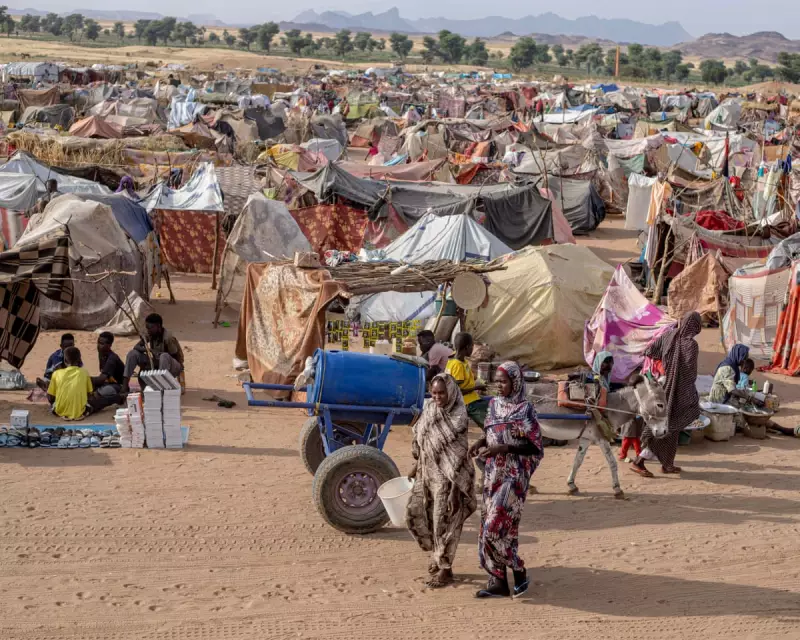
The situation in Darfur, where El Fasher serves as the last major urban centre in the vast western region, remains particularly dire. Humanitarian organisations continue to document evidence of systematic violence while struggling to provide essential aid to displaced populations living in makeshift camps.