
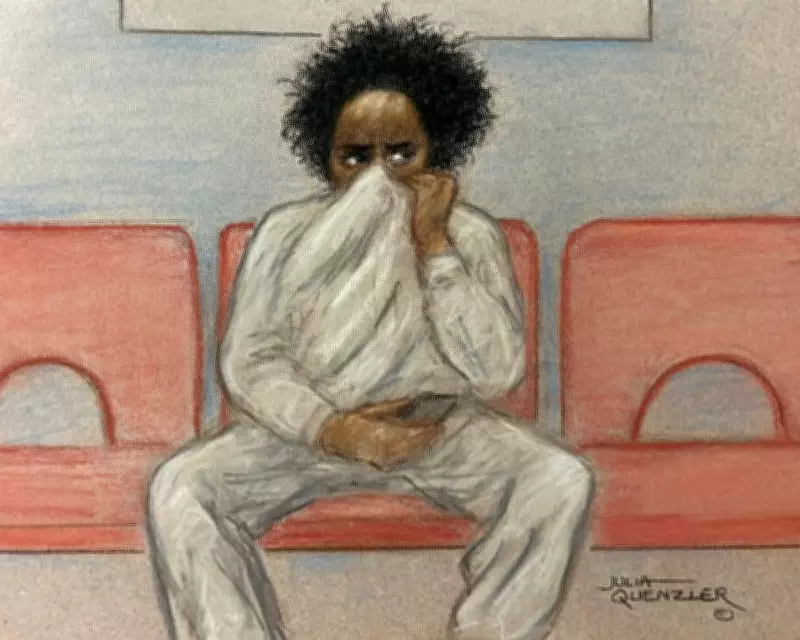
Southport Inquiry Uncovers Systemic Failures in Axel Rudakubana Case
A devastating 700-page report from the Southport inquiry has revealed catastrophic failures by multiple state agencies in dealing with Axel Rudakubana, who carried out a deadly attack on children in July 2024. The inquiry found that despite dozens of warning signs spanning five years, no single agency assumed proper responsibility for the teenager's case.
Multiple Referrals to Prevent with No Comprehensive Action
Axel Rudakubana was referred to the counter-terror agency Prevent three times during the years leading up to the attack. Despite these multiple referrals, the inquiry found that agencies operated under a "widespread but false assumption" that Rudakubana was someone else's problem. Lancashire constabulary believed Prevent was in charge, while the council repeatedly stepped down his case to non-statutory help.
"This culture has to end," stated inquiry chair Adrian Fulford, a retired appeal court judge. "Agencies must not simply pass on the risk to others or assume others have taken on responsibility."
Alarming Lack of Information Sharing Between Agencies
The report identified an "alarming" failure to share critical information within and between agencies including Prevent, Lancashire constabulary, schools, councils, and health services. This failure had dire consequences when Rudakubana went missing in March 2022 and was found with a knife on a bus, telling police he wanted to stab someone.
Had agencies understood his history, the teenager would have been arrested and his house searched, where officers would likely have discovered preparations to make deadly poison and terrorist material on his computer. Instead, rookie police officers returned him home and advised his parents to hide their knives.
Autism Diagnosis Used to Excuse Growing Threat
While Fulford stressed that it was wrong to make general links between autism and increased violence risk, he noted that in Rudakubana's case, his condition manifested in a growing threat to others. It took 77 weeks for him to receive an autism diagnosis after a GP referral in August 2019.
"Agencies regularly simply used autism as an explanation, or even an excuse, for his conduct including his violence," Fulford stated. "Strategies and interventions were needed to address the risk he posed, but instead the problem was left both unmanaged and underestimated."
Online Activities Overlooked Despite Clear Warning Signs
By the time of his carefully planned attack, Rudakubana had become a recluse who festered in dark online spaces, researching school shootings, terror attacks, and ways to harm others. He occasionally conducted this research in full view of other pupils and teachers, triggering the Prevent referrals.
Yet authorities showed only a "glancing interest" in his internet use, and when limited questions were asked, Rudakubana's "false and self-serving replies were far too readily accepted."
Parental Failures Contributed to Tragedy
During two days of testimony in November, Rudakubana's father Alphonse admitted knowing his son had amassed an arsenal of weapons including knives, a bow and arrow, a sledgehammer, and a jerry can. He feared his son was planning to attack others but did not alert authorities because he worried his son would be taken away.
Fulford concluded that while the parents faced difficulties, they "bear considerable blame for what occurred." He added: "If his parents had done what they morally ought to have done, Rudakubana would not have been at liberty to conduct the attack."
Prescient Warnings Ignored for Years
The notes of a rookie police officer who spent just 20 minutes with Rudakubana in 2019, shortly after he turned 13, proved prescient. PC Alex McNamee wrote that the Cardiff-born teenager showed "potential for huge escalation" after admitting taking a knife to school to attack a bully, classifying the risk as high.
Yet by July 2024, just six days before his knife rampage, Rudakubana had been discharged from mental health services with a report concluding: "Poses risk to others – None." Over those five years, he had passed through virtually every state body without comprehensive risk assessment.
The attack that killed Bebe King, six, Alice da Silva Aguiar, nine, and Elsie Dot Stancombe, seven, and injured many others was not "a bolt of lightning out of a clear blue sky," Fulford concluded. Instead, an act of grave violence had been "clearly, repeatedly and unambiguously signposted over many years."




