
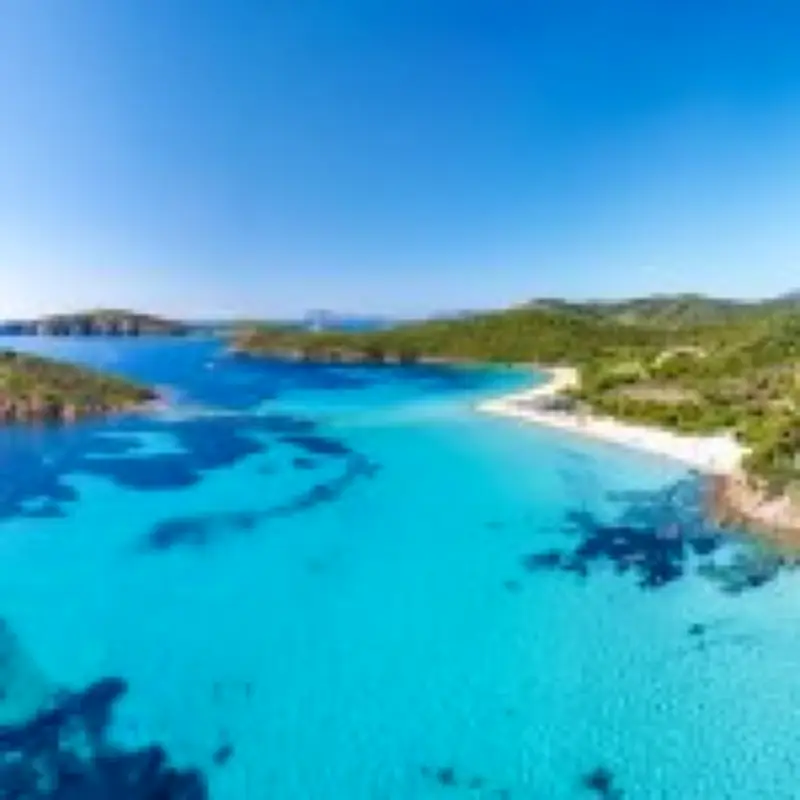
Italy has implemented booking systems for some of its most popular beaches, including those in Sardinia and Lampedusa, in an effort to combat overtourism and protect the environment. Visitors must reserve spots online, often receiving a QR code for entry. Some beaches also enforce time slots.
Booking systems and capacity limits
Beaches such as La Pelosa in Sardinia, which caps visitors at 1,500 and charges €3.50 (£2.99), are fully booked until September 15. Cala Goloritzé, another Sardinian beach with a 250-visitor cap and a €7 (£6) fee, has no availability for the rest of July and early August. Spiaggia dei Conigli on Lampedusa operates two daily sessions, each allowing 550 people.
Why these measures are needed
Italy welcomes over 185 million tourists annually. In the first quarter of 2026, the country recorded approximately 71.6 million tourist arrivals, a 16% increase from the same period in 2025. Daniele Silvetti, mayor of Ancona, told The Times that capping and booking are ‘inevitable’ to save beaches. Sebastiano Venneri of Legambiente noted that global tourism is expected to double from one billion in 2000 to two billion by 2030, adding that ‘La Pelosa beach in Sardinia risks vanishing just by virtue of visitors removing sand on their towels.’ Sardinian official Pierpaolo Fois warned that the coast faces similar issues to the Dolomites, where ‘you get to the top of a mountain to find peace and nature and all you find is other people.’
Beach privatisation sparks debate
Private beach clubs, known as ‘stabilimento,’ have increased by 12% in recent years, limiting public access and sparking protests. Governor of Puglia, Antonio Decaro, has called for allowing tourists and locals to bring their own food and drinks to beaches. Tamar Miller of Italy Awaits Travel said that post-Covid tourism has made previously off-the-beaten-path destinations like Puglia new trends, with business owners capitalising on charming beaches.




