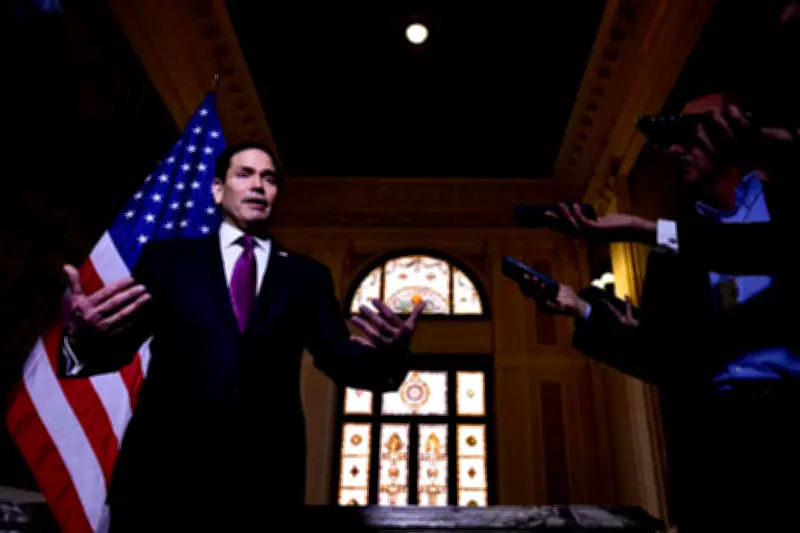
Senator Marco Rubio has sharply criticized the World Health Organization (WHO) for its response to the ongoing Ebola outbreak, accusing the global health body of failing to act swiftly and effectively to contain the virus. In a statement released on Wednesday, Rubio called for a thorough review of the WHO's actions and demanded significant reforms to ensure better preparedness for future health emergencies.
Rubio's Criticism of WHO's Ebola Response
Rubio, a Republican from Florida and a member of the Senate Foreign Relations Committee, argued that the WHO's delayed response to the Ebola outbreak in the Democratic Republic of the Congo (DRC) has exacerbated the crisis. He noted that the outbreak, which began in 2025, has already claimed hundreds of lives and spread to neighboring countries. The senator emphasized that the WHO must be held accountable for its shortcomings, stating that "the world cannot afford another failure like this."
Demand for Accountability and Reform
In his statement, Rubio highlighted several specific failures, including insufficient funding, lack of coordination with local health authorities, and slow deployment of medical personnel and supplies. He called on the WHO to implement immediate changes, such as establishing a rapid response team and improving communication with member states. Rubio also urged the United States to take a leading role in reforming the organization, suggesting that Congress should consider tying future funding to measurable improvements in performance.

Broader Implications for Global Health Security
Rubio's criticism comes amid growing international concern over the WHO's ability to manage health crises. The Ebola outbreak has exposed weaknesses in the global health system, prompting calls for a new approach to pandemic preparedness. Experts argue that the WHO needs stronger authority to enforce health regulations and greater financial independence to act quickly. Rubio's stance aligns with other Republican lawmakers who have long questioned the effectiveness of international organizations and advocated for a more assertive U.S. role in global health governance.
Next Steps and Potential Impact
The senator's remarks are likely to fuel ongoing debates in Congress about U.S. funding for the WHO. The United States is the organization's largest donor, contributing over $1 billion annually. Some lawmakers have threatened to cut funding unless the WHO undertakes major reforms. Rubio stopped short of calling for a funding freeze, but he made it clear that the status quo is unacceptable. The WHO has acknowledged the need for improvement and has pledged to conduct an internal review of its Ebola response. However, critics argue that without external pressure, meaningful change may be slow to materialize.
As the outbreak continues to spread, the international community is watching closely to see whether the WHO can regain trust and effectively lead the fight against Ebola. Rubio's strong words serve as a reminder that accountability is essential for maintaining global health security.