US Congressman Accuses Former Royal of Evading Justice
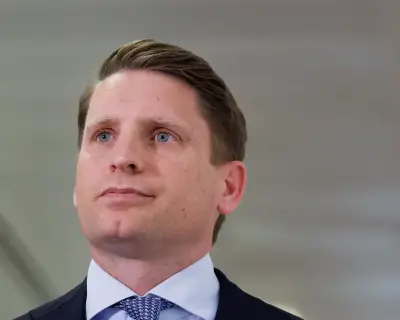
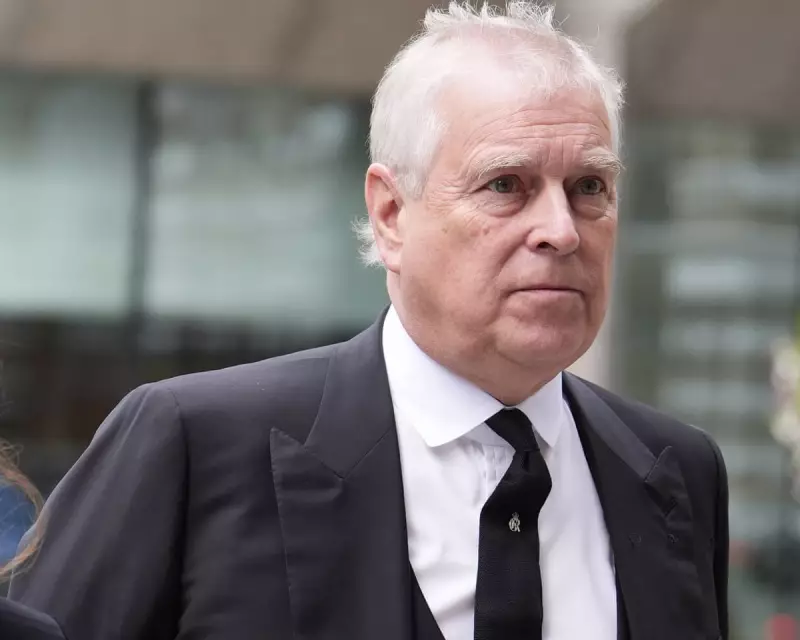
A prominent US Congressman has publicly accused Prince Andrew of deliberately hiding from a congressional investigation into the Jeffrey Epstein scandal. Suhas Subramanyam, a Democratic member of the House Oversight Committee, revealed that the former prince, now known as Andrew Mountbatten-Windsor, has failed to respond to an official request to sit for a deposition.
This development comes as the House of Representatives prepares for a crucial vote to compel the release of US government files related to the late financier and alleged sex trafficker, Jeffrey Epstein.
Mounting Pressure and Revealing Documents
Subramanyam confirmed to The Guardian that the request was sent earlier this month as part of the committee's broader investigation into how the US government handled the case against Epstein, who died in custody in 2019 while awaiting trial.

The congressman did not mince words, stating that Mountbatten-Windsor has been hiding from the committee and will likely continue to evade meaningful investigations. This accusation follows supportive comments from UK trade minister Chris Bryant, who asserted that the former prince should honour requests from American lawmakers to testify, just as any ordinary member of the public would.
The political pressure intensified after the oversight committee's Republican leader released a trove of over 20,000 emails obtained from Epstein's estate. These documents detail the financier's connections with powerful figures worldwide, including Donald Trump.
Critically, the emails reveal that Prince Andrew maintained contact with Epstein for a longer period than was previously known. Subramanyam emphasised that every time new evidence emerges, Prince Andrew's name appears within the documents, suggesting a deeper and more prolonged association than once thought.
Legal Hurdles and Future Prospects
Despite the strong accusations, Subramanyam acknowledged significant limitations in his ability to compel testimony. Republicans hold the majority in the House, and none signed the letter asking the former prince to testify. Furthermore, even if political control shifts after the next midterm elections, Mountbatten-Windsor, as a foreign national, cannot be subpoenaed.
While the former prince is not the primary focus of the oversight committee's investigation—which was sparked by the closure of the Epstein case—his recurring presence in the evidence keeps him in the spotlight. Subramanyam warned that if Prince Andrew is hoping the story will fade away through silence, he will be sorely disappointed, as the committee plans to pursue the matter for the next year and beyond.
The congressman also hinted at alternative paths for the investigation, suggesting that even if Andrew does not come forward voluntarily, others close to him might be asked to provide information formally in the future.
In a significant political move, the House is expected to vote on legislation to force the release of US government files on Epstein. After initial opposition, former President Trump reversed his stance and called for the bill's approval. Subramanyam predicted a near-unanimous vote in the House but expressed uncertainty about its prospects in the Senate, where he expects significant pressure from the Trump administration to scrap the legislation.