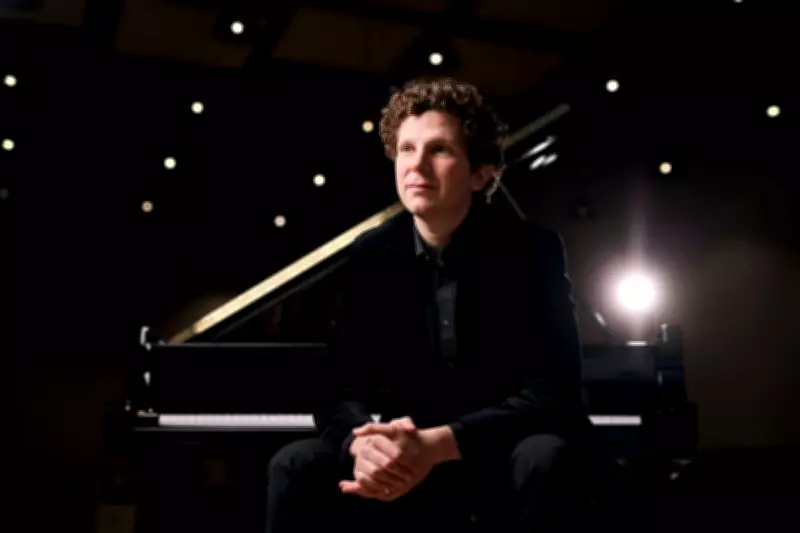
The legal battle between pianist Jayson Gillham and the Melbourne Symphony Orchestra (MSO) over a cancelled concert has officially entered the courtroom, drawing significant public and media attention. The case, which centers on Gillham’s onstage remarks about Palestinian journalists in Gaza, raises complex questions about artistic freedom, contractual obligations, and political expression in the performing arts.
Background of the Dispute
Jayson Gillham, a renowned Australian pianist, was scheduled to perform with the MSO in a series of concerts in early 2026. During a pre-concert talk, Gillham made comments expressing solidarity with Palestinian journalists working in Gaza, which he later described as a call for awareness about their plight. The MSO subsequently cancelled his performance, citing a breach of contract and concerns that his remarks could alienate audience members and sponsors.
Gillham’s legal team argues that the cancellation was unjust and violated his right to free speech. They contend that his comments were made in a personal capacity and did not reflect the orchestra’s views. The pianist is seeking damages for loss of income and reputational harm, as well as an apology from the MSO.

Court Proceedings
The case is being heard in the Federal Court of Australia, with both sides presenting evidence and witness testimony. Gillham’s lawyers have submitted that the MSO’s decision was influenced by external pressure from pro-Israel groups, which the orchestra denies. The MSO maintains that Gillham’s actions were a clear breach of his contract, which included a clause requiring him to avoid making controversial political statements during MSO engagements.
During the initial hearings, the court heard from several music industry experts who testified about the boundaries of artistic expression in orchestral settings. The judge has indicated that the ruling will likely set a precedent for how cultural institutions handle political speech by performers.
Reactions and Implications
The case has sparked widespread debate across Australia and beyond. Supporters of Gillham argue that the MSO’s action amounts to censorship and a chilling effect on artists who wish to speak out on humanitarian issues. Conversely, some legal analysts note that contractual agreements often include clauses that limit public statements to protect the institution’s brand and neutrality.
The MSO has faced criticism from free speech advocates, while others have defended its right to manage its public image. The outcome of the case could have significant implications for other orchestras and cultural organizations navigating similar conflicts between artistic expression and institutional policies.
Next Steps
The trial is expected to continue for several weeks, with additional witnesses scheduled to testify. A verdict may not be reached until mid-2026. Both parties have expressed a willingness to consider mediation, but no agreement has been reached thus far.
As the legal proceedings unfold, the classical music community watches closely, aware that the decision could reshape the relationship between performers and the institutions that employ them.