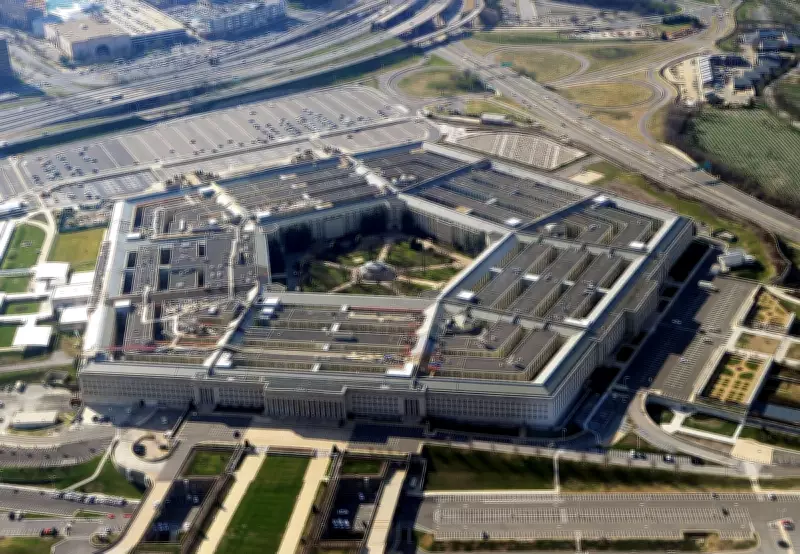
A recent investigation has uncovered that the Pentagon’s program designed to track and mitigate civilian deaths from US military operations, particularly drone strikes, has been significantly underreporting the number of casualties. The findings raise serious questions about the accuracy of official data and the effectiveness of measures to protect non-combatants in conflict zones.
Key Findings of the Investigation
The investigation, conducted by a team of journalists and researchers, analyzed internal Pentagon documents, reports from non-governmental organizations, and firsthand accounts from affected regions. It found that the official count of civilian deaths in areas like Somalia, Yemen, and Afghanistan was far lower than independent estimates. For instance, in Somalia alone, the Pentagon acknowledged a fraction of the deaths recorded by local authorities and human rights groups.
Discrepancies in Data Collection
The program, known as the Civilian Harm Mitigation and Response initiative, was established to improve the tracking of civilian casualties and to implement measures to prevent future incidents. However, the investigation found that the program relied on narrow definitions of “civilian” and “combatant,” often classifying individuals as militants based on behavior rather than clear evidence. This led to many non-combatants being excluded from official counts.

Lack of Transparency
Another major concern is the lack of transparency surrounding the program. The Pentagon has resisted calls to release detailed data on civilian casualties, citing national security concerns. Critics argue that this secrecy undermines accountability and makes it difficult to assess the true human cost of US military operations. The investigation also revealed that internal reviews of strikes often cleared military personnel of wrongdoing, even in cases where independent evidence suggested otherwise.
Impact on Policy and Public Trust
The underreporting of civilian deaths has significant implications for US foreign policy and public trust. Human rights organizations have long called for greater transparency and accountability in drone strikes, arguing that the lack of accurate data fuels anti-American sentiment and undermines efforts to build stability in conflict zones. The investigation’s findings are likely to intensify these calls and could lead to congressional hearings or legislative action.
Reactions from Officials and Experts
Pentagon officials have defended the program, stating that it has improved over time and that they are committed to minimizing civilian harm. However, experts and former officials have expressed concern, with some suggesting that the program’s flaws are systemic. “The Pentagon has a culture of downplaying civilian casualties, and this program is just another example of that,” said one former intelligence analyst.
Recommendations for Reform
The investigation concludes with several recommendations, including the adoption of more transparent reporting standards, independent oversight of strike assessments, and a broader definition of civilian casualties. It also calls for the Pentagon to cooperate with international organizations to verify data and to provide compensation to families of victims.
In response to the findings, the Pentagon has announced a review of its civilian casualty tracking procedures, but it remains to be seen whether meaningful reforms will be implemented. The issue is likely to remain a contentious topic in debates over US military strategy and human rights.