In a dramatic legal development, former Daily Mail editor Paul Dacre has been confirmed as a witness in the high-profile case brought by Prince Harry and six other prominent figures against Associated Newspapers Limited (ANL).
Key Figures Called to Testify
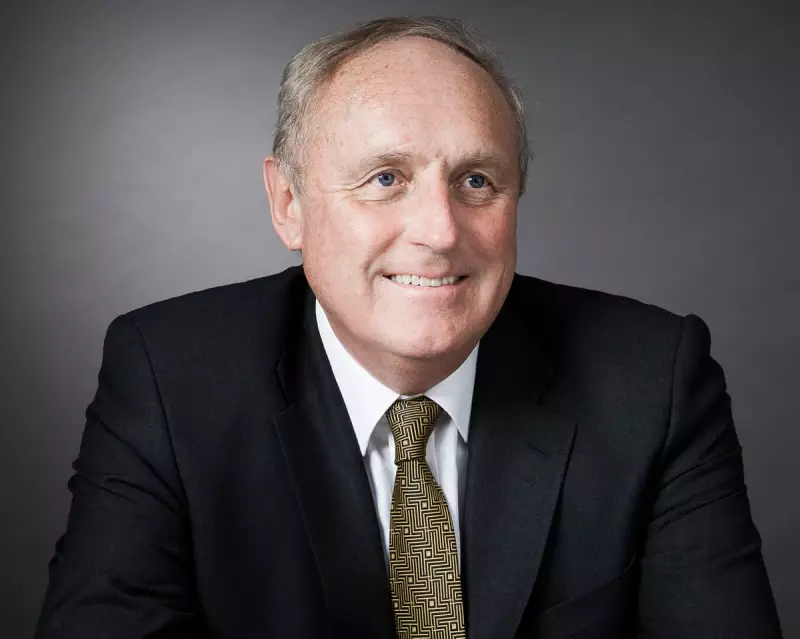
The High Court heard that Paul Dacre, 77, who edited the Daily Mail from 1992 to 2018 and now serves as editor-in-chief of DMG Media, will be called as an early witness alongside Peter Wright, former editor of the Mail on Sunday. Antony White KC, representing ANL, told Mr Justice Nicklin that it was "incredibly important" for both men to testify first to address "critically important" allegations.
David Sherborne, representing the claimants, indicated that ANL specifically wants Dacre to address evidence he gave during the 2011-2012 Leveson inquiry into press standards. The trial is scheduled to begin on 19 January and is expected to last nine weeks, with legal costs estimated to reach a staggering £38 million.

The Allegations and Defence
The claimants include Prince Harry, Sir Elton John, David Furnish, Liz Hurley, Sadie Frost, Doreen Lawrence, and Sir Simon Hughes. They allege that ANL carried out or commissioned unlawful activities including hiring private investigators to place listening devices in cars, "blagging" private records, and accessing private phone conversations.
ANL has "vehemently" denied all allegations. The case has taken several dramatic turns, including the withdrawal of a statement by private investigator Gavin Burrows, who claimed his signature on a witness statement was a "forgery" - an accusation described by Sherborne as "scurrilous" and "grotesque".
Judge's Strict Warning
Mr Justice Nicklin issued a firm warning that he will not permit the case "to descend into a wide-ranging public inquiry" guided only by what claimants want to investigate. He specifically stated he wouldn't allow "a series of rabbits produced out of a hat" designed to ambush witnesses.
The judge did grant the claimants' legal team restricted use of records kept by private investigator Stephen Whittamore detailing his dealings with journalists. Sherborne had argued that preventing the claimants from using these notebooks created a "wholly unjust" and "totally unlevel playing field."
This case represents one of the most significant legal challenges to British newspaper publishers since the original phone hacking scandals, with the involvement of such high-profile claimants and senior media figures ensuring intense public and legal scrutiny.