Political Reporter's Memoir Sparks Media Firestorm
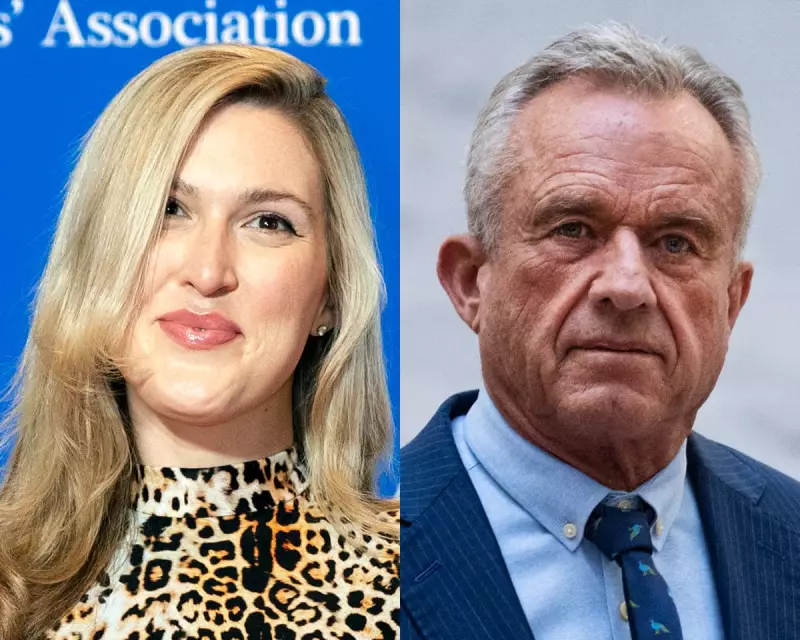
The American media landscape has been rocked by an unfolding scandal involving prominent political reporter Olivia Nuzzi and her revelations about relationships with political figures, including Robert F Kennedy Jr. The controversy erupted this week as Nuzzi released excerpts from her memoir, American Canto, detailing what she describes as an emotional affair with Kennedy, whom she refers to as "the politician" in her writing.
The situation escalated dramatically when Nuzzi's former fiancé, Ryan Lizza, published his own account of their relationship breakdown, alleging infidelity with another political figure - former presidential candidate Mark Sanford. This very public airing of dirty laundry has sent shockwaves through media circles and raised serious questions about journalistic ethics at a time when public trust in the press is already at historic lows.
The Unfolding Drama: From Digital Affairs to Bamboo Metaphors
According to Nuzzi's account published in Vanity Fair, her relationship with RFK Jr involved intimate digital communications where the now US health secretary allegedly told her he would "take a bullet" for her. She maintains they never slept together but acknowledges advising him on campaign issues, including the notorious dead bear carcass story that made headlines during his presidential bid.

The 32-year-old journalist, known for her access to Republican figures, also wrote about feeling anxious about Kennedy's reported brain worm, recounting how he soothed her concerns by saying, "Baby, don't worry" after a doctor reviewed his brain scans.
Not to be outdone, Lizza published what he called "Part 1" of his side of the story, using the metaphor of invasive bamboo growing behind their Georgetown townhouse to describe Nuzzi's secrecy in concealing an alleged affair with Sanford. The former Politico correspondent claimed Nuzzi became "infatuated" with the South Carolina politician while profiling him for New York magazine during his short-lived 2020 election challenge to Donald Trump.
Broader Implications for Journalism Ethics and Trust
While the personal drama provides grade-A gossip for media insiders, the implications extend far beyond Beltway and New York media circles. Trust in the US press has plummeted to unprecedented levels, with a recent Gallup poll finding that just 28% of respondents expressed significant trust in newspapers, television and radio to report news fairly and accurately. This represents a concerning drop from 31% in 2024 and 40% five years ago.
Patrick R Johnson, an assistant professor of journalism at Marquette University, warned that "journalism has a trust problem, and the fact that all this dirty laundry is getting aired is not going to help that." He explained that when prominent journalists behave this way, it creates damaging assumptions about the entire profession, even though most journalists maintain strict ethical standards.
The situation particularly affects female journalists, reviving the tired Hollywood trope of female reporters sleeping with sources. As Moira Donegan wrote for the Guardian, such revelations "cast all female professionals under the suspicion of corruptibility and unseriousness" and make it harder for their peers to do their jobs effectively.
Backgrounds and Previous Controversies
Nuzzi first gained attention as an intern in Anthony Weiner's 2013 mayoral campaign, publishing an account of her experience that launched her career. She rose through the ranks at the Daily Beast and New York magazine, becoming known for gossipy profiles that often featured herself alongside subjects like Donald Trump, Stormy Daniels and Michael Cohen.
Her professional relationship with RFK Jr ultimately cost Nuzzi her position at New York magazine when their entanglement was revealed shortly before the election, violating the publication's conflict of interest policies. She acknowledged the relationship "should have been disclosed to prevent the appearance of a conflict" and apologised to colleagues.

Lizza brings his own complicated history to the situation, having been fired from the New Yorker in 2017 following sexual misconduct allegations during the #MeToo movement's early days. He denied the claims and continued writing for Esquire and Politico. The couple's professional and personal relationship further unravelled when Nuzzi filed for a protective order against Lizza, alleging blackmail and harassment - claims he denied and which she later withdrew.
Mark Feldstein, chair of broadcast journalism at the University of Maryland and former investigative correspondent, described the situation as "self-immolation on both their parts" that confirms negative stereotypes about journalists. He compared it to Geraldo Rivera's controversial 1991 memoir, though noted that in today's attention economy, such tell-alls have become almost expected.
As Feldstein starkly put it: "It's like they've opened their trench coats and exposed to all of us what they're hiding underneath. It's not a pretty sight." The ongoing saga continues to unfold, with Lizza promising a "Part 2" to his account, ensuring this media scandal will generate further headlines and debate about journalistic ethics in the digital age.