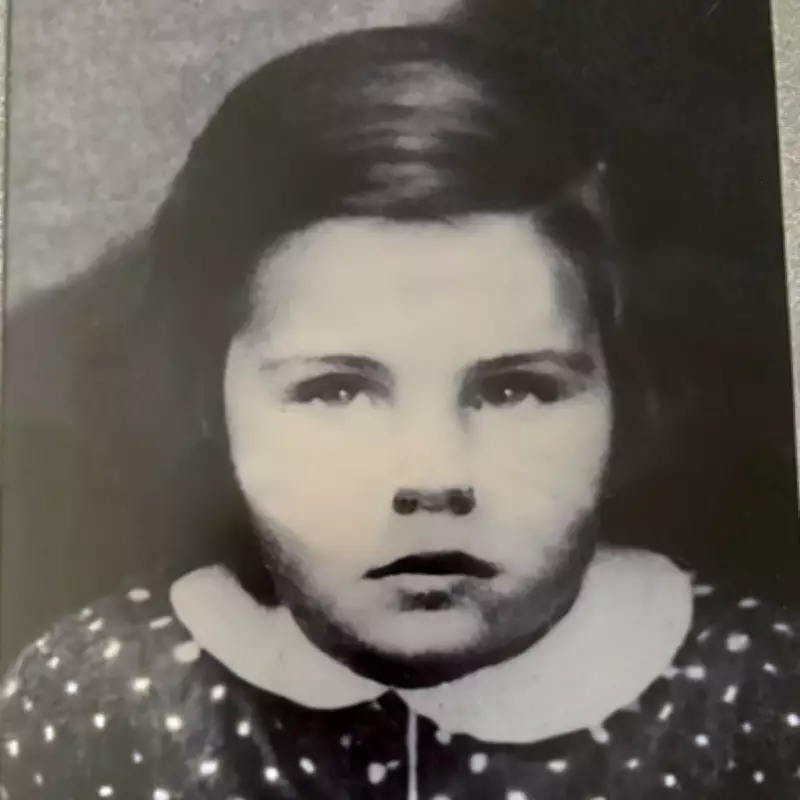
More than eight decades after the murder of seven-year-old Patricia 'Patsy' Wylie in County Tyrone, Northern Ireland, new research has shed light on the crime and its lasting impact. The girl was raped, beaten, and strangled by William Harrison, a US soldier stationed at Cluntoe airfield, on 25 September 1944. Harrison was convicted and hanged at Shepton Mallet prison in Somerset on 7 April 1945.
Family Trauma and Myths
Annie Kalotschke, Patsy's niece, spent 31 years investigating the case, uncovering details that challenge the official narrative. She found that Harrison's execution was botched by hangman Thomas Pierrepoint, who took 20 minutes to strangle the soldier instead of causing a swift death. Kalotschke suspects vengeance may have played a role. The family also faced local blame, with rumors that Harrison was spared or sent to fight in France.
Generational Impact
Kalotschke's research reveals that Patsy's mother, Mary, fell into depression until a dream of her daughter urged her to continue. Patsy's sister Sadie, who survived the encounter, emigrated to New York but suffered from survivor's guilt. The trauma affected subsequent generations, leading Kalotschke to become a mental health therapist. She recently visited the execution chamber with relatives, finding closure and restoring Patsy's voice.

Historian Alan Freeburn noted that Harrison was one of only three US soldiers hanged for child rape in the European Theatre of Operations during World War II. Kalotschke's unpublished book, Never Speak of Rope, aims to correct myths and honor Patsy's memory.