An Unprecedented Pardon Request
Israeli Prime Minister Benjamin Netanyahu finds himself at the centre of a truly unprecedented constitutional situation, requesting a presidential pardon despite not having been convicted in his long-running corruption trial.
The leader, who has maintained his innocence throughout the proceedings, is arguing that the extensive legal process has become such a significant distraction that it is now actively damaging Israel's national interest and severely hampering his ability to govern effectively.
The Case For and Against
In a detailed 111-page submission, Netanyahu's legal team framed their argument around the trial's disruptive impact on government functions. The Prime Minister also contends that the investigation was driven by malicious intent to incriminate him 'at all costs', despite what he describes as his decades of dedicated public service.

However, legal experts and political opponents argue the absolute reverse position. They maintain that the entire structure of justice depends on holding individuals accountable, regardless of their political power or position. The fundamental question being raised is how one can pardon someone who hasn't yet received a conviction, and what dangerous precedent such an action might establish for future cases.
International Pressure and Domestic Politics
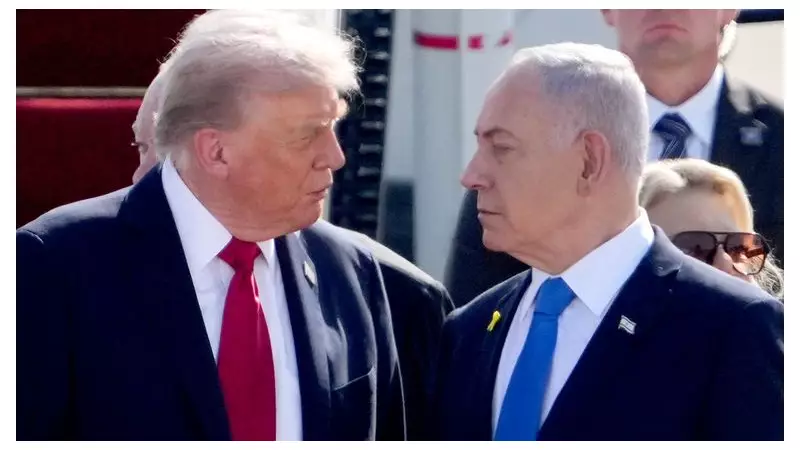
Complicating matters further is the very public support from American President Donald Trump, who has openly advocated for Netanyahu's pardon. This international backing, coming amid growing condemnation from other nations, now sits at the heart of Israeli government policy considerations.
The situation places Israeli President Isaac Herzog in an exceptionally difficult position. Described as facing an 'extraordinary' request, Herzog must balance showing his independence against the reality of opposing the will of the world's most powerful leader, who has provided crucial diplomatic support to Israel since returning to office.
With a general election scheduled for less than a year's time, the timing and nature of Herzog's decision carry significant political weight. The President, who is expected to rise above party politics, faces mounting pressure from multiple directions as he contemplates this historic decision.