Milan Prosecutors Launch 'Sniper Tourism' War Crimes Investigation
Prosecutors in Milan have initiated a major investigation into one of the most disturbing allegations to emerge from the Bosnian War - that groups of Italians paid Bosnian Serb soldiers for the opportunity to shoot civilians in Sarajevo during the city's brutal four-year siege.
The inquiry, led by prosecutor Alessandro Gobbi, focuses on accusations that wealthy westerners, including numerous Italians, participated in what has been termed 'sniper tourism' - paying substantial sums to be transported to the hills surrounding Sarajevo where they could randomly target residents for sport.
The Horrific Reality of Sarajevo Under Siege
Between 1992 and 1996, Sarajevo endured the longest siege in modern history after Bosnia and Herzegovina declared independence from Yugoslavia. More than 10,000 people lost their lives to constant shelling and sniper fire during this period.

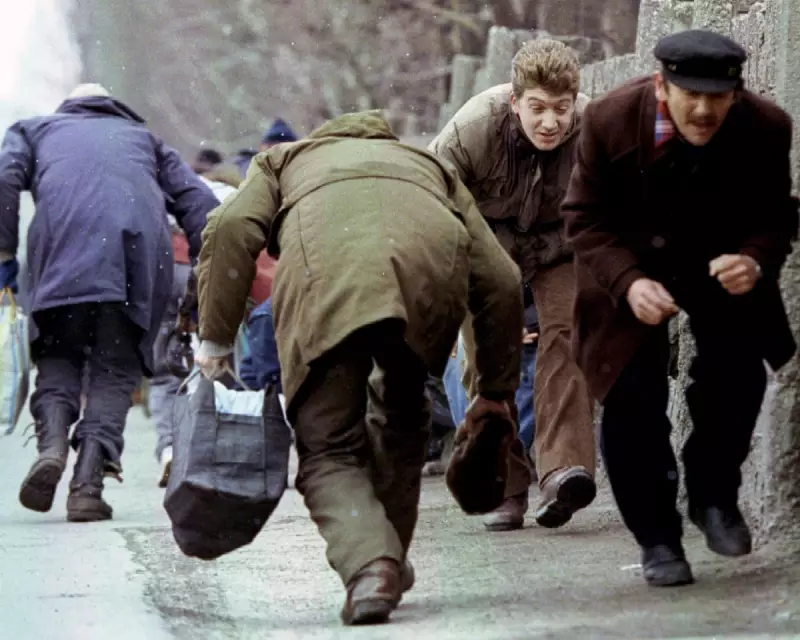
The city's geographical position in a basin surrounded by mountains made it particularly vulnerable to attack. Snipers became the most feared element of daily life, picking off civilians on the streets with chilling randomness, including children going about their daily business.
Meša Selimović Boulevard, the main artery into Sarajevo, became infamously known as "Sniper Alley" due to the constant danger. Public transport vehicles had their windows shot out, and sniper warning signs became a commonplace, terrifying feature of the urban landscape.
How the Investigation Began
The Milan investigation originated from a legal complaint filed by Ezio Gavazzeni, a Milan-based writer who conducted extensive research into the allegations. His efforts were complemented by a report submitted by Benjamina Karić, the former mayor of Sarajevo.
Gavazzeni revealed that his investigation gained momentum after watching Sarajevo Safari, a 2022 documentary by Slovenian director Miran Zupanič. The film features testimony from a former Serb soldier and contractor who claimed that groups of westerners regularly shot at civilians from the hills overlooking Sarajevo.
"Sarajevo Safari was the starting point," Gavazzeni stated. "I began correspondence with the director and from there expanded my investigation until I collected enough material to present to the Milan prosecutors."
He described the participants as "rich people who went there for fun and personal satisfaction" rather than for political or religious motivations. "We are talking about people who love guns who perhaps go to shooting ranges or on safari in Africa," he added.
The International Scale of the Allegations
According to Gavazzeni, the phenomenon extended far beyond Italian nationals. "There were Germans, French, English... people from all western countries who paid large sums of money to be taken there to shoot civilians," he claimed.
The Italian suspects allegedly gathered in Trieste before travelling to Belgrade, where Bosnian Serb soldiers would escort them to sniper positions overlooking Sarajevo. Gavazzeni characterised this as "a traffic of war tourists who went there to shoot people" and described it as "an indifference towards evil."
Serbian war veterans have vehemently denied these claims, though Milan prosecutors are proceeding with their investigation into charges of voluntary murder aggravated by cruelty and abject motives.
Symbolic Tragedy and Legal Proceedings
Among the most high-profile sniper victims were Bošco Brkić and Admira Ismić, a couple whose tragic story was documented in the film Romeo and Juliet in Sarajevo. They were killed by a sniper in 1993 while attempting to cross a bridge, and their bodies remained in no-man's land for days - an image that became symbolic of the war's randomness and inhumanity.
The Bosnian Serb forces responsible for facilitating access to sniper positions were under the command of Radovan Karadžić, who was found guilty of genocide and crimes against humanity in 2016.
Nicola Brigida, a lawyer assisting with the case, confirmed that "the evidence accumulated after a long investigation is well substantiated and could lead to serious investigation to identify the culprits."

Gavazzeni has identified several Italian individuals believed to be involved, and prosecutors are expected to question them in the coming weeks as this shocking chapter of the Bosnian War receives renewed legal scrutiny.