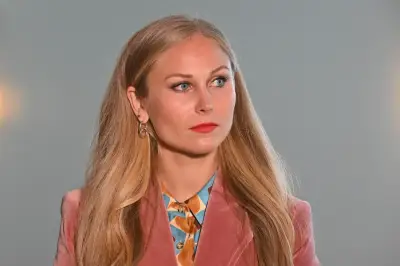
Sharon Gaffka, a former contestant on Love Island, has called for major reforms in reality television welfare after the Panorama investigation into Married at First Sight (MAFS) revealed serious allegations of sexual assault. Writing in a first-person account, Gaffka argues that current welfare systems are reactive rather than preventive, leaving contestants vulnerable in manufactured environments.
The Constructed Reality of Reality TV
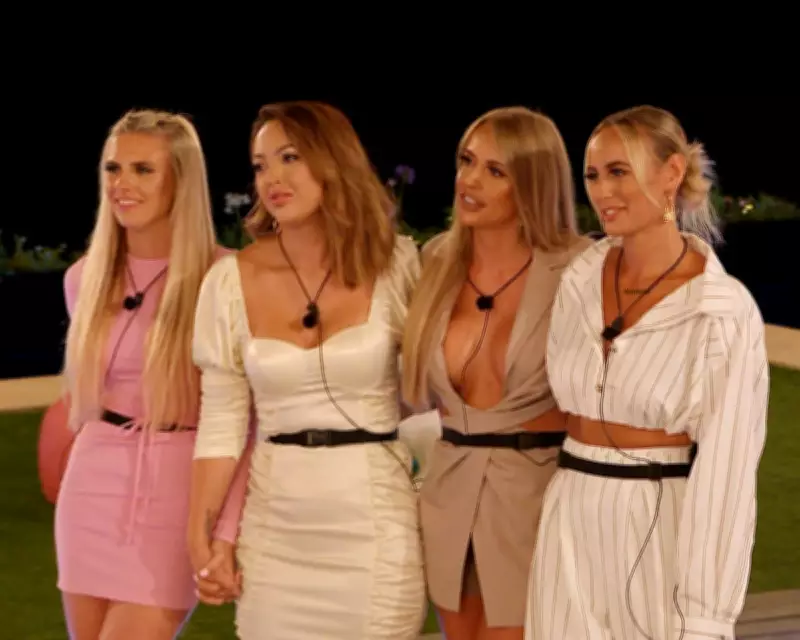
Gaffka, who appeared on the seventh series of Love Island in 2021, admits she knew reality TV was not entirely real, but was unprepared for how constructed it actually is. Producers shape narratives, conflict drives engagement, and contestants become part of a product designed for entertainment. She states that after watching the BBC Panorama investigation into Channel 4’s Married at First Sight, she questioned at what point good TV comes at the expense of basic human safety.
Serious Allegations in MAFS
The documentary featured allegations from two women who claimed they were raped by their on-screen husbands, while another described a non-consensual sex act. Those accused dispute the allegations. Channel 4’s CEO said the broadcaster acted quickly and appropriately when welfare concerns were raised, and production company CPL defended its welfare systems as industry-leading. However, Gaffka argues the documentary exposed a fundamental issue: welfare in reality TV is often reactive, not preventive.

Isolation and Heightened Emotions
Describing her experience on Love Island, Gaffka compares it to a Covid lockdown without internet access, books, music, or contact with friends and family. This isolation, combined with constant production oversight, creates an environment where relationships accelerate and emotions become heightened. While shows like Love Island and Big Brother have 24/7 camera monitoring and regular welfare checks, MAFS appears to have much less oversight, with contestants living in private apartments without continual monitoring.
The Conflict of Interest in Welfare
Gaffka highlights that welfare teams are embedded within production structures, creating an unavoidable conflict of interest. They answer to the same people responsible for delivering storylines and ratings. She argues that safeguarding must become entirely independent from production and commissioning, with real authority to challenge editorial priorities.
Need for Specialist Safeguarding
She questions the qualifications of current welfare teams to handle coercion, abuse, and sexual violence. Gaffka insists that dating-show welfare should include specialist professionals such as independent domestic violence advisers or social workers, operating separately from editorial priorities. Contestants need access to trauma-informed safeguarding, not just welfare staff within the production machine.
Preventive Measures and Vetting
Gaffka calls for more serious prevention, including Clare's law disclosures and enhanced social-media vetting for misogynistic, abusive, or coercive behaviour. She recalls that during her season, a male contestant who used racist language online slipped through the net, questioning whether misogynistic content receives the same scrutiny.
Understanding Delayed Disclosure
Noting that none of the women in the MAFS allegations reported to the police, Gaffka explains that delayed disclosure is common due to fear, shame, confusion, and self-blame. Public scrutiny and pressure from being attached to a major television franchise further complicate reporting. If contestants feel let down by welfare systems, they may not trust other institutions.
Conclusion: Welfare Must Be Independent
Gaffka concludes that for dating reality TV to survive ethically, welfare must become independent, specialist, and powerful enough to challenge the systems that create good television. Contestants are real people, and no storyline or rating should ever matter more than someone's safety.